German Stoßtruppen in WWI: History, Tactics and Equipment

The article is based on Kaisermanöver 2026 lecture on Stoßtrupp by Francesco Giacomelli

1. Introduction - What Were the Stoßtruppen?

The First World War brought fundamental changes to infantry tactics. As the Western Front became dominated by trench warfare, barbed-wire obstacles, machine guns and artillery, traditional methods of attack proved increasingly costly and ineffective. The German Army began developing new approaches to overcome these defensive systems, relying on smaller, more flexible assault groups.

These troops became widely known as Stoßtruppen, or stormtroopers.

However, the term Stoßtruppen did not originally describe a single, standardised military formation. It could refer to different types of assault troops, ranging from small, improvised detachments within ordinary infantry regiments to specialised units such as the Sturmabteilungen and Sturmbataillone.

A distinction should therefore be made between a Stoßtrupp, a small group assembled for a particular mission, and the larger, formally organised assault units that emerged as the war progressed. Although the terminology was not always used consistently, these formations differed considerably in their organisation, training and equipment.

Their methods emphasised mobility, surprise, concentrated firepower and cooperation between different weapons. Instead of relying exclusively on large infantry formations advancing across open ground, the new tactics increasingly involved small groups capable of exploiting terrain, penetrating enemy positions and fighting within trench systems.

The development of the Stoßtruppen was therefore not simply the creation of a new type of soldier. It represented an important stage in the transformation of German infantry tactics during the First World War.
2. The Origins of German Assault Troops

The Role of the Pioneers

The origins of the German Stoßtruppen can be traced to the early months of trench warfare in late 1914.

Pioneer units, particularly those trained in siege and fortification duties [(Festungs-) Pioniere – Bataillonen], possessed many of the skills and weapons required for operations against entrenched positions. Their experience with explosives, hand grenades, obstacles and engineering equipment provided a practical foundation for the development of assault detachments.

As positional warfare became established, small groups began to be formed within ordinary infantry companies and regiments. These early detachments were often improvised, assembled for particular missions and disbanded or reorganised afterwards.

Depending on their tasks, they could be referred to by different names, including Handgranatentrupp, Stoßtrupp, Patrouillenkommando or Spähtrupp. These terms described groups with different functions, but their activities contributed to the gradual development of specialised infantry assault methods.

Königlich Bayerisches 4. (Festungs-) Pionier-Ersatz-Bataillon, 1915
Königlich Bayerisches 4. (Festungs-) Pionier-Ersatz-Bataillon, 1915 source: Sturmtruppen, R.R. Cardona, 2015, Heimdal

Sturmabteilung Calsow - The First Experiments

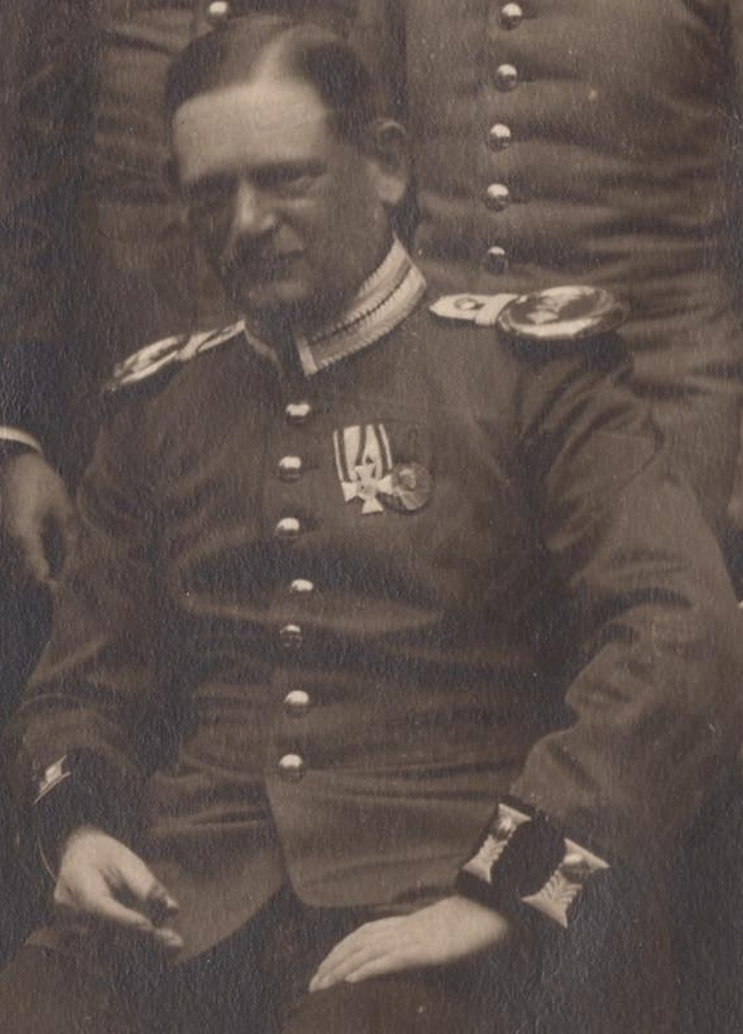
Georg Calsow
Hauptmann Georg Calsow (later Major and commander of Sturmabteilung Calsow), Pionier-Bataillon Nr. 18, Königsberg, 1912. source: fb.com/stosstruppen1918

On 2 March 1915, the German Supreme Army Command (Oberste Heeresleitung, OHL) ordered the establishment of an experimental assault detachment under Major Georg Calsow.

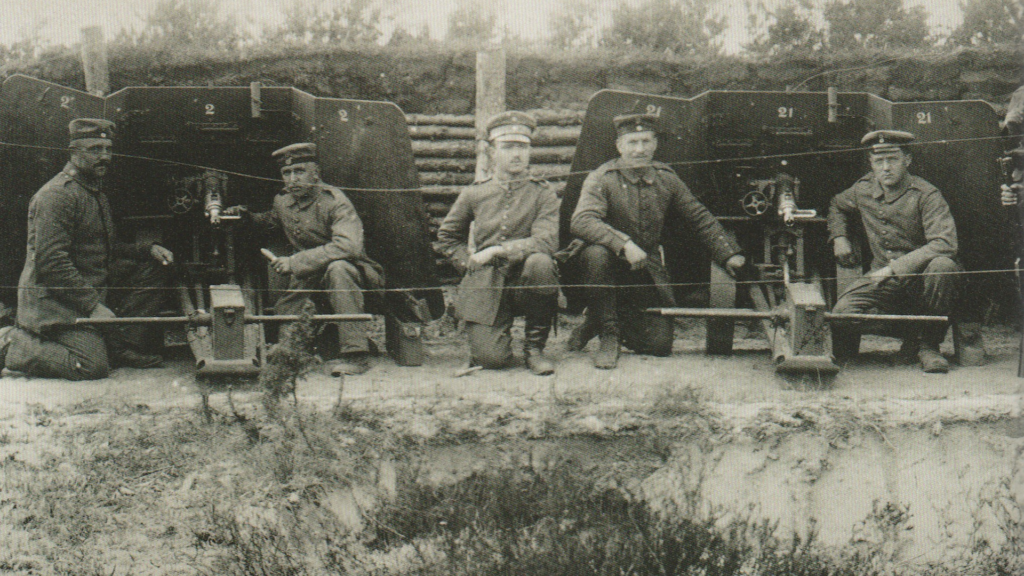
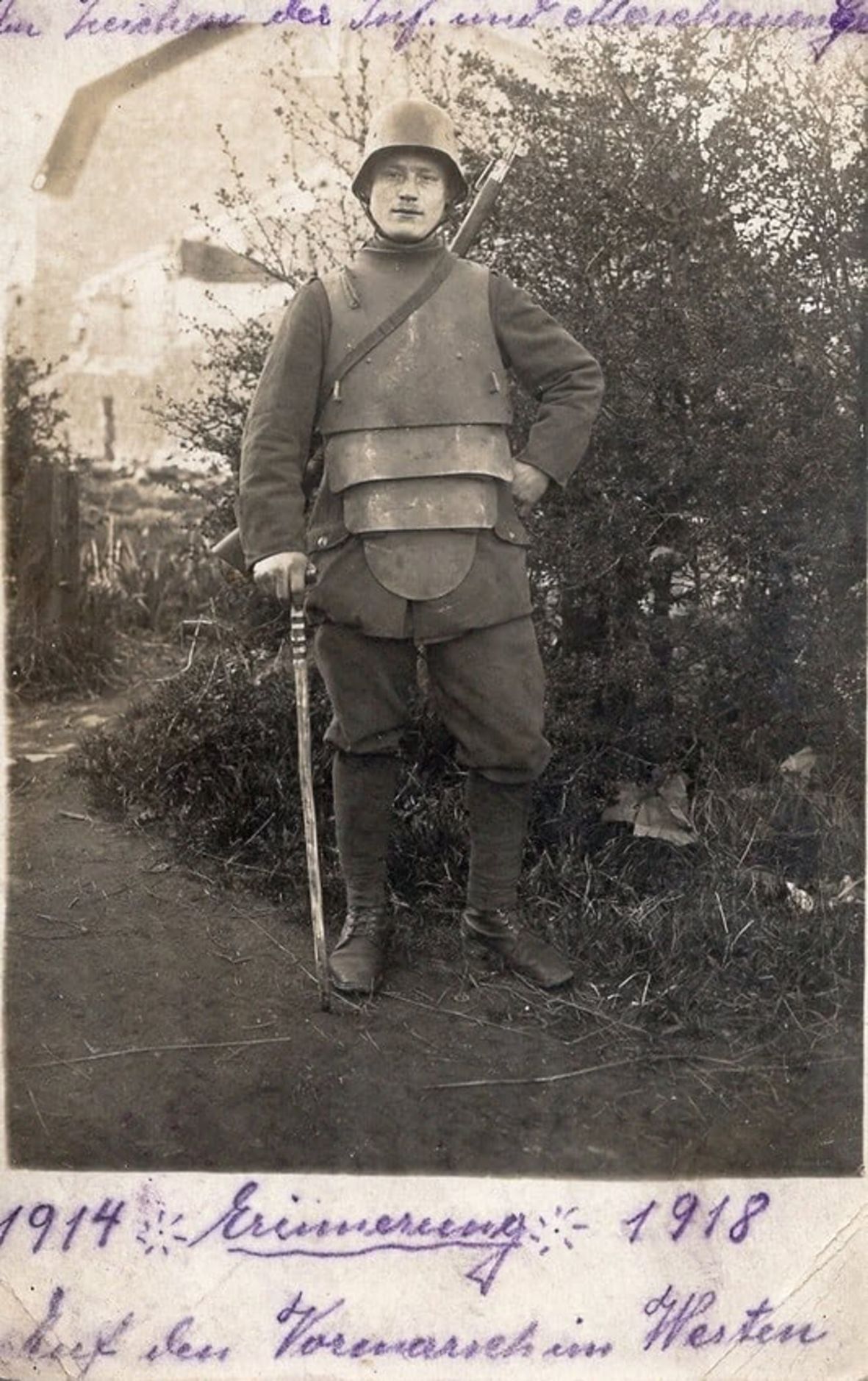
The new formation, known as Sturmabteilung Calsow, was built around personnel from Pionier-Bataillon Nr. 18. Its purpose was to test new weapons, protective equipment and tactical methods intended to restore mobility to offensive operations. Among the equipment examined were the 3.7 cm Sturmbegleitkanone, an experimental assault-support gun, and various types of protective shields (Schutzschilde).

Calsow’s approach relied on pioneer assault parties equipped with carbines and hand grenades, supported by accompanying guns. However, the experimental weapons and tactics did not produce the expected results.

The detachment was subsequently deployed to the front, where it performed engineering duties and participated in fighting during the French offensive in Artois in June 1915. The unit suffered heavy losses, and its initial methods were considered unsatisfactory.

Despite these setbacks, Sturmabteilung Calsow provided an important starting point for further experimentation.

Sturmbegleitkanone 3,7cm
Sturmbegleitkanone 3,7cm source: Sturmtruppen, R.R. Cardona, 2015, Heimdal

Sturmabteilung Rohr - A New Approach

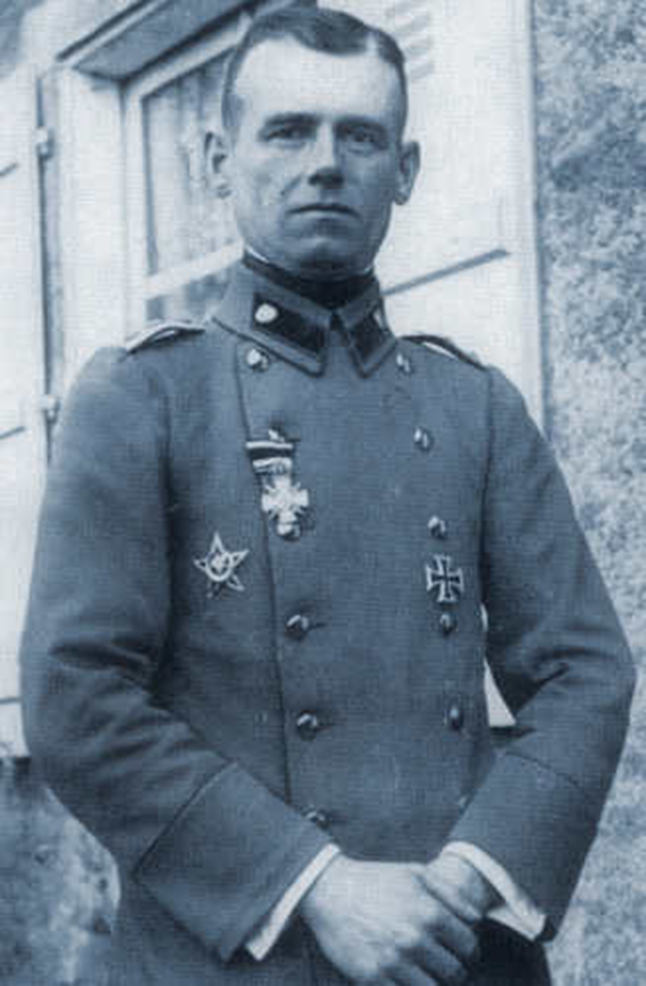
Hauptmann Willy Rohr commander of Sturm-Bataillon Rohr
Hauptmann Willy Rohr, commander of Sturm-Bataillon Rohr

In September 1915, Hauptmann Willy Rohr took command of the formation, which subsequently became known as Sturmabteilung Rohr.

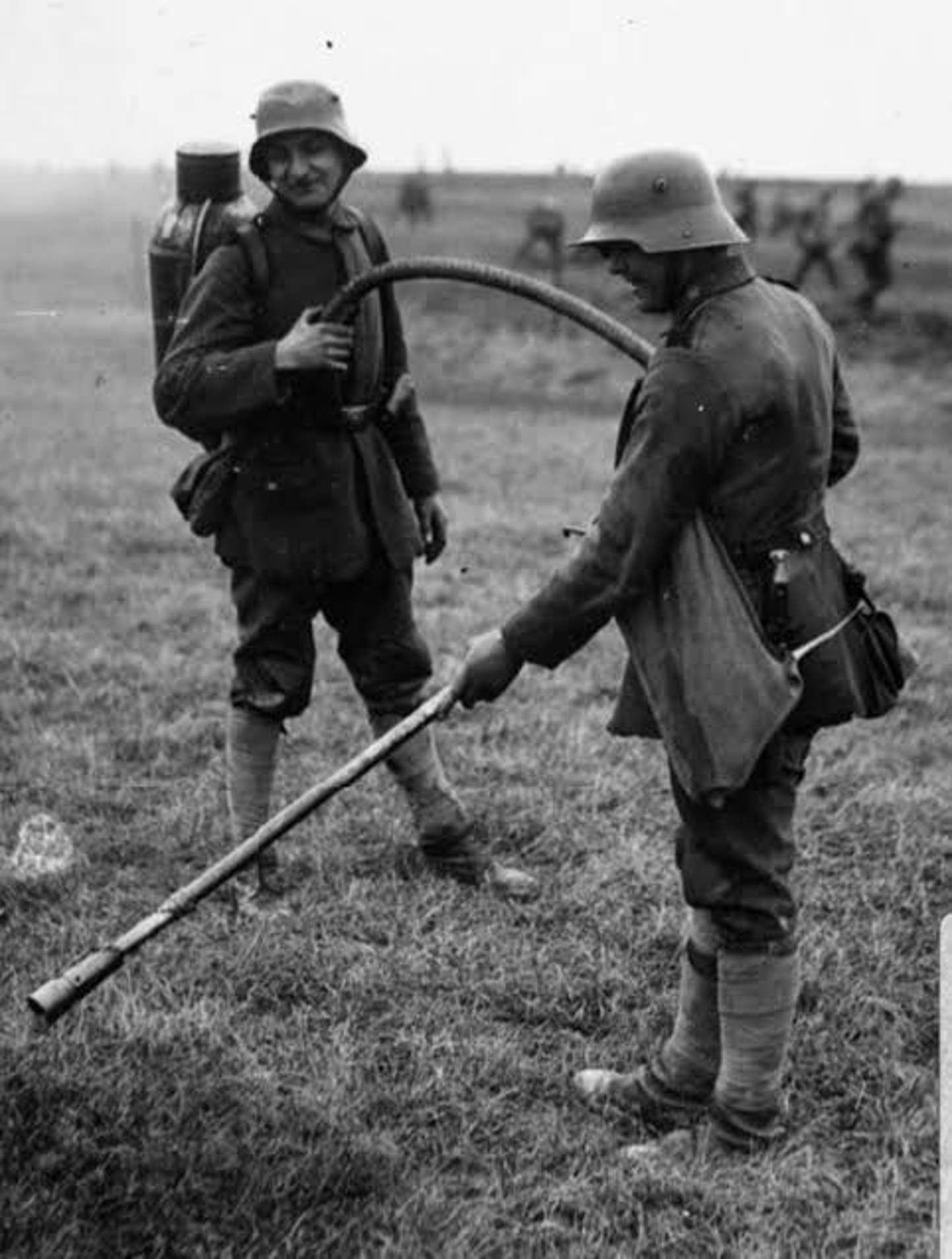
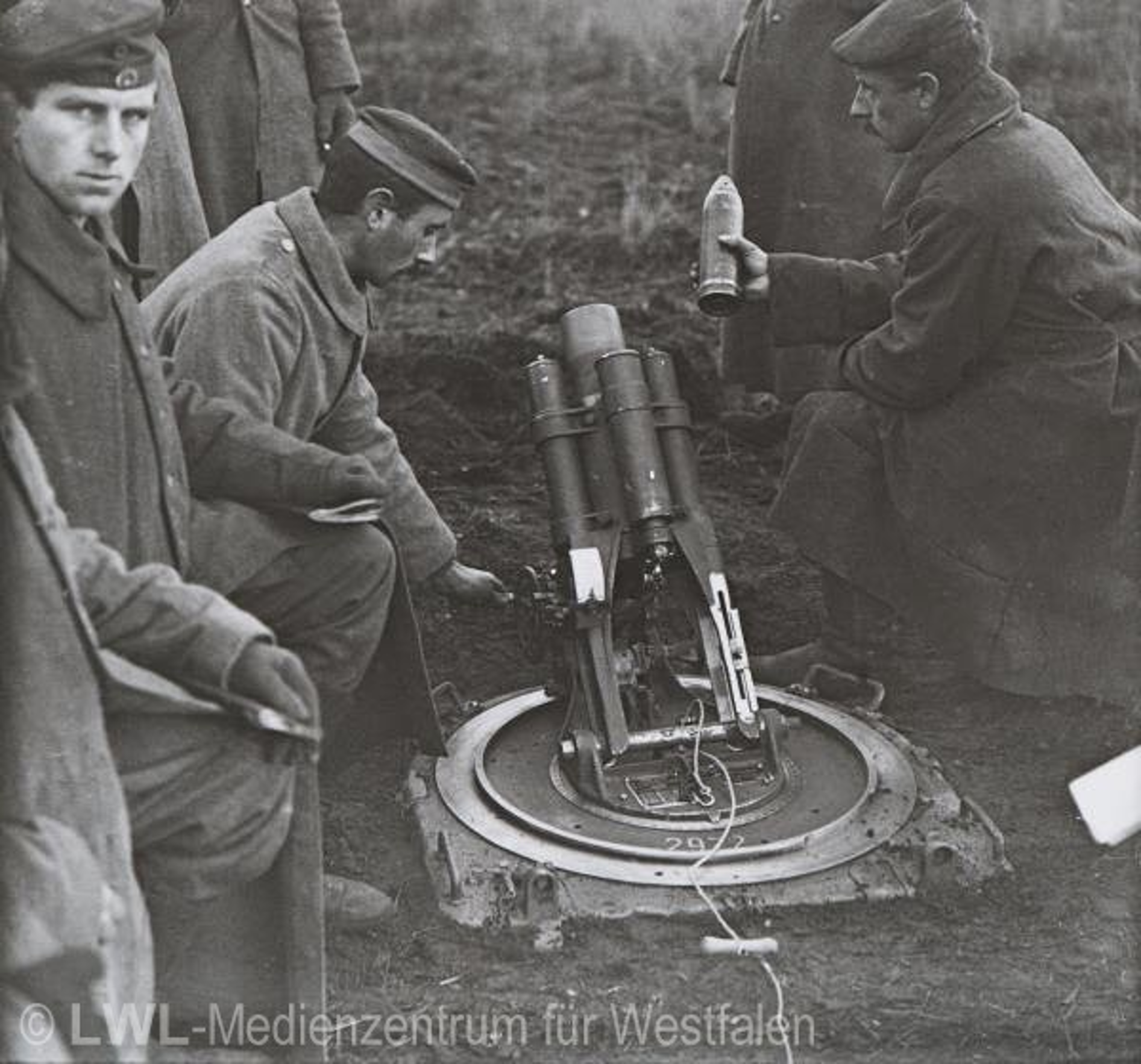
Under Rohr, the emphasis shifted towards smaller, more flexible assault groups operating in close cooperation with supporting weapons. Rather than depending primarily on accompanying guns, Rohr developed methods involving hand grenades, machine guns, trench mortars and flamethrowers, supported where necessary by artillery. Small groups were expected to exploit favourable approaches, attack vulnerable sections of the enemy position and secure captured trenches, allowing the following infantry to advance.

The unit continued testing new weapons and equipment while participating in operations in the Vosges and, subsequently, during the Battle of Verdun in 1916. Rohr’s methods proved influential, and the detachment became the foundation for the development of the German Sturmbataillone.

On 1 April 1916, the formation was expanded into a Sturm-Bataillon, marking a new stage in the organisation and dissemination of specialised assault tactics throughout the German Army.

Sturmabteilung Rohr/35 structure:

1x Motorised Company
2x Pioneers Company
1x MG section
1x flametrowers section
1x MW section

3. The Development of the Sturmbataillone

Sturm-Bataillon Nr. 5 (Rohr)

On 1 April 1916, Rohr’s experimental assault detachment was expanded into a battalion. The formation, later known as Sturm-Bataillon Nr. 5 (Rohr), became one of the most influential units in the development of German assault tactics.

Unlike an ordinary infantry battalion, it brought together several specialised combat elements. In addition to its assault companies, the battalion incorporated machine guns, trench mortars, flamethrowers and infantry-support artillery.

This organisation enabled the unit to train and operate using combined arms, coordinating different weapons to overcome enemy defensive positions.

The battalion was also distinguished by its dual role. It participated in combat operations while simultaneously serving as an experimental and instructional formation, responsible for developing and demonstrating new methods of infantry warfare.

Beuveille and Doncourt - Training the German Army

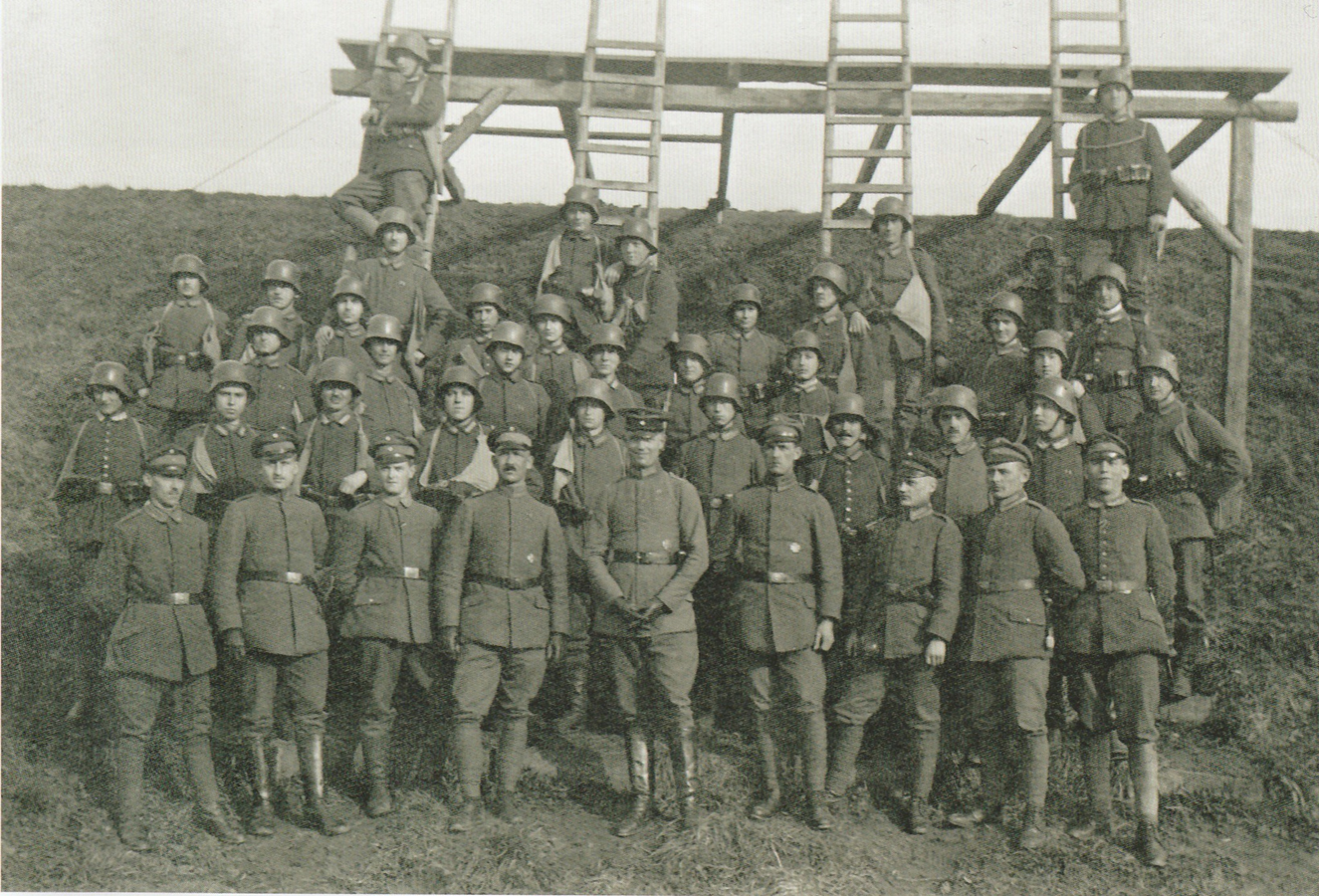
Summer 1917, Doncourt (Beuveille) training camp. Hauptmann Rohr, HQ and men attending the ST training.
Summer 1917, Doncourt (Beuveille) training camp. Hauptmann Rohr, HQ and men attending the ST training. source: Sturmtruppen, R.R. Cardona, 2015, Heimdal

In March 1916, Rohr’s unit established itself in the area of Beuveille, near Verdun. A large training ground was developed at nearby Doncourt, where soldiers could practise assault techniques under conditions intended to resemble those encountered at the front.

On 15 May 1916, General Erich von Falkenhayn ordered the expansion of the training programme, with officers and NCOs from other formations being sent to learn the new methods. After completing their courses, these personnel returned to their parent units, where they were expected to pass on their knowledge to other soldiers.

This approach allowed the experience gained by a relatively small specialised formation to spread throughout the German Army. The Sturmbataillone thus served not only as combat formations but also as Lehrtruppen, or instructional troops.

The Formation of Additional Sturmbataillone

During the second half of 1916 and into 1917, additional assault battalions were organised and assigned to different armies and army detachments. Although their organisation varied, they generally combined assault infantry companies with supporting weapons such as machine guns and trench mortars. Some formations also possessed flamethrower detachments or infantry-support guns.

Sturm-Bataillon Nr. 5 (Rohr) remained exceptional in its size and the range of supporting weapons available to it.

The new battalions continued to perform two principal functions: training personnel from other formations and participating in particularly demanding combat operations. They therefore became important centres for both the development and the dissemination of assault tactics.

 
BattalionFormation dateSt.K.OthersResponsible unitI.Gesch.Batt.M.G.K.M.W.K.Fl.W.
St.Btl. 104.12.19163–1. Armee–11–
St.Btl. 202.11.19164–1. Armee–11–
St.Btl. 308.07.19164–1. Armee111Zug
St.Btl. 409.12.19162–1. Armee–11–
St.Btl. 5 (Rohr)01.04.19165H.Batt.Armeeabteilung Gaede122Trupp
Bay. St.Btl. 604.12.19162–1. Armee–11–
St.Btl. 704.12.19162–1. Armee–11–
St.Btl. 828.12.19162–Armee Süd–11–
St.Btl. 918.12.19162–1. Armee–11–
St.Btl. 1028.12.19162–Heeresgruppe Eichhorn–11–
St.Btl. 1128.12.19162–Heeresgruppe Linsingen–11–
St.Btl. 1228.12.19163–Heeresgruppe Woyrsch–11–
St.Btl. 1401.01.19172–Armeeabteilung Strantz–11–
Bay. St.Btl. 1523.12.19162–Armeeabteilung A–11–
St.Btl. 1623.12.19164–Armeeabteilung B–11–
St.Btl. 1719.01.19171FlakArmeegruppe Erzherzog Karl–11Zug
St.Btl. 1822.08.19182–Heeresgruppe Eichhorn–11–

Abbreviations:
St.K. – Sturmkompanie;
I.Gesch.Batt. – Infanteriegeschütz-Batterie;
M.G.K. – Maschinengewehr-Kompanie;
M.W.K. – Minenwerfer-Kompanie;
Fl.W. – Flammenwerfer.

Regimental and Divisional Stoßtrupps

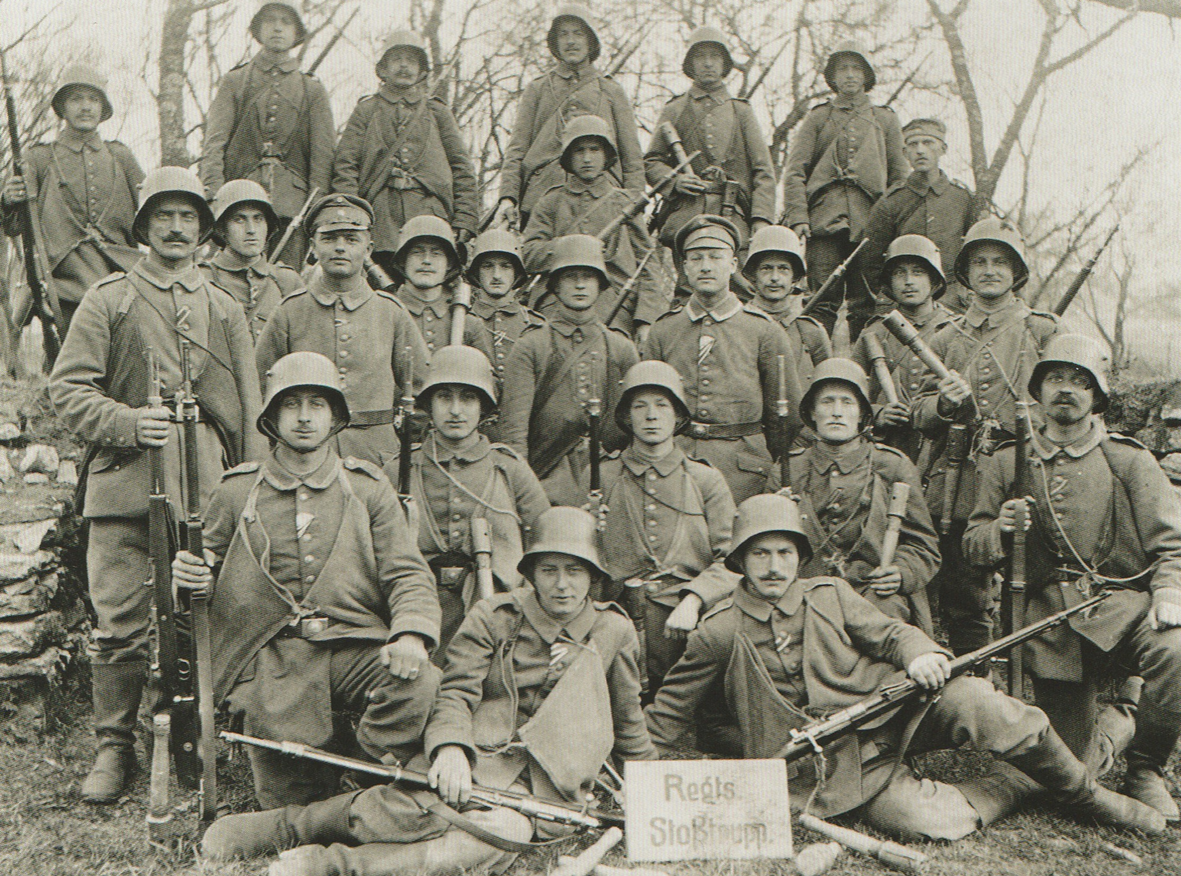
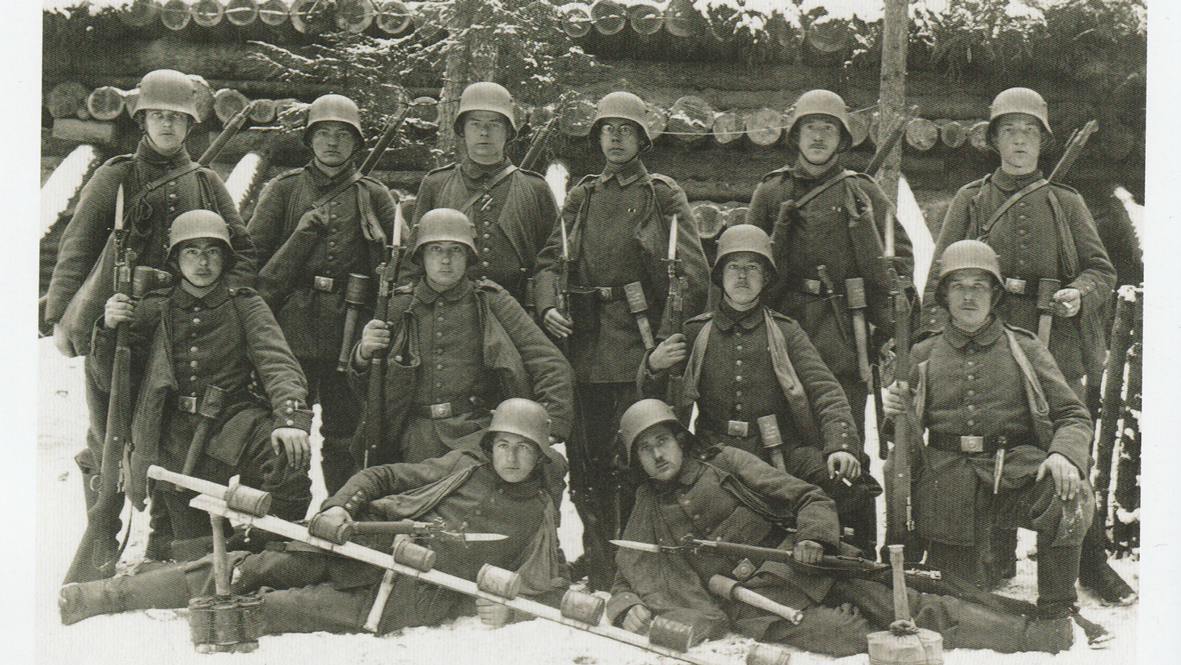
The development of specialised assault battalions did not mean that every Stoßtrupp belonged to one of these formations. As the new methods spread, ordinary infantry regiments and divisions increasingly organised their own assault detachments.

These groups could be formed for specific operations or maintained as more permanent elements within their parent formations. Their size, organisation and equipment depended on the available resources and the tasks assigned to them. Unlike the specialised Sturmbataillone, they did not necessarily possess their own heavy supporting weapons or dedicated training establishments.

By 1917, assault techniques were becoming an increasingly important part of regular German infantry training. The ultimate objective was not to create a small, separate elite force, but to make the principles of Stoßtrupptaktik available to the infantry as a whole.

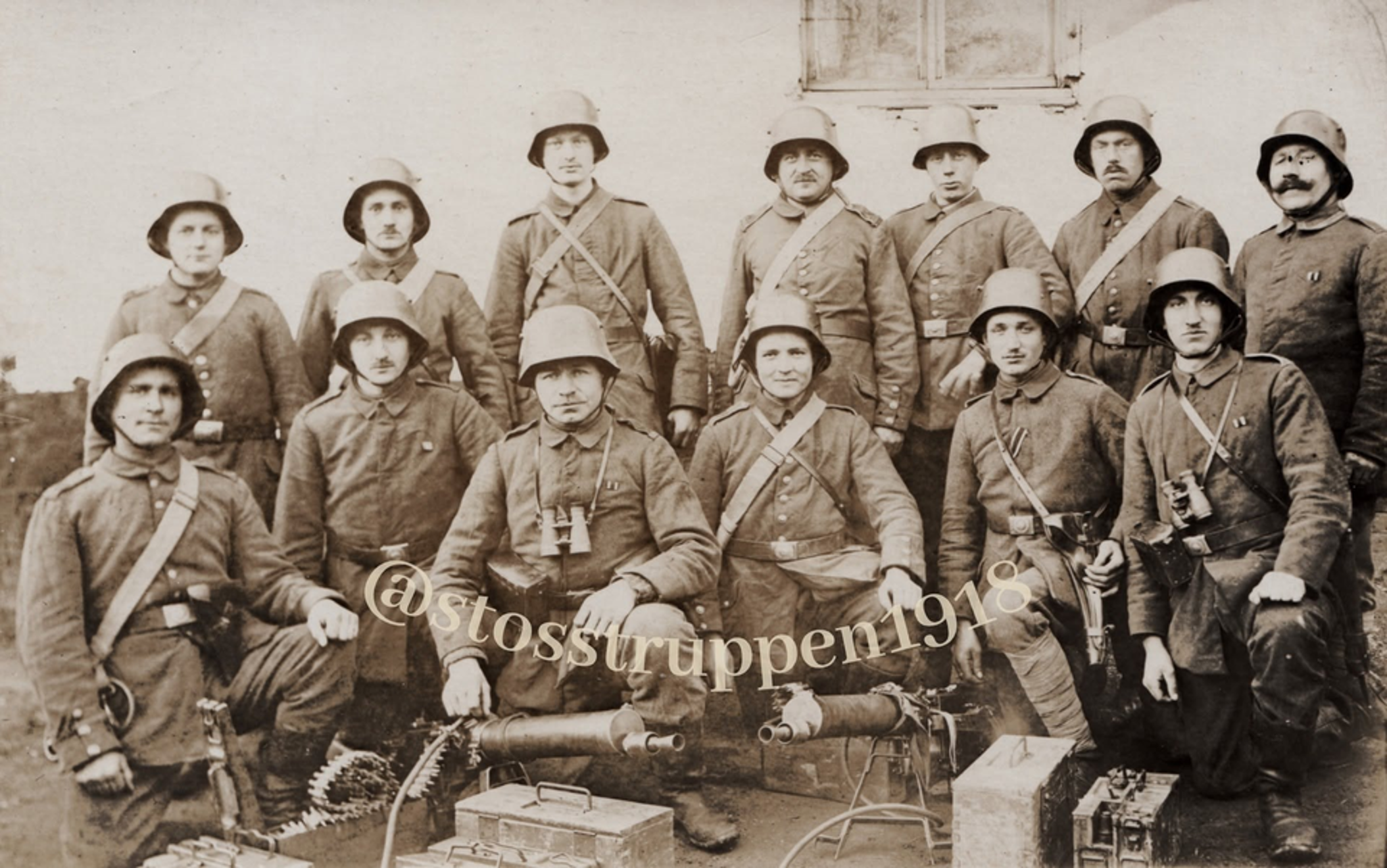
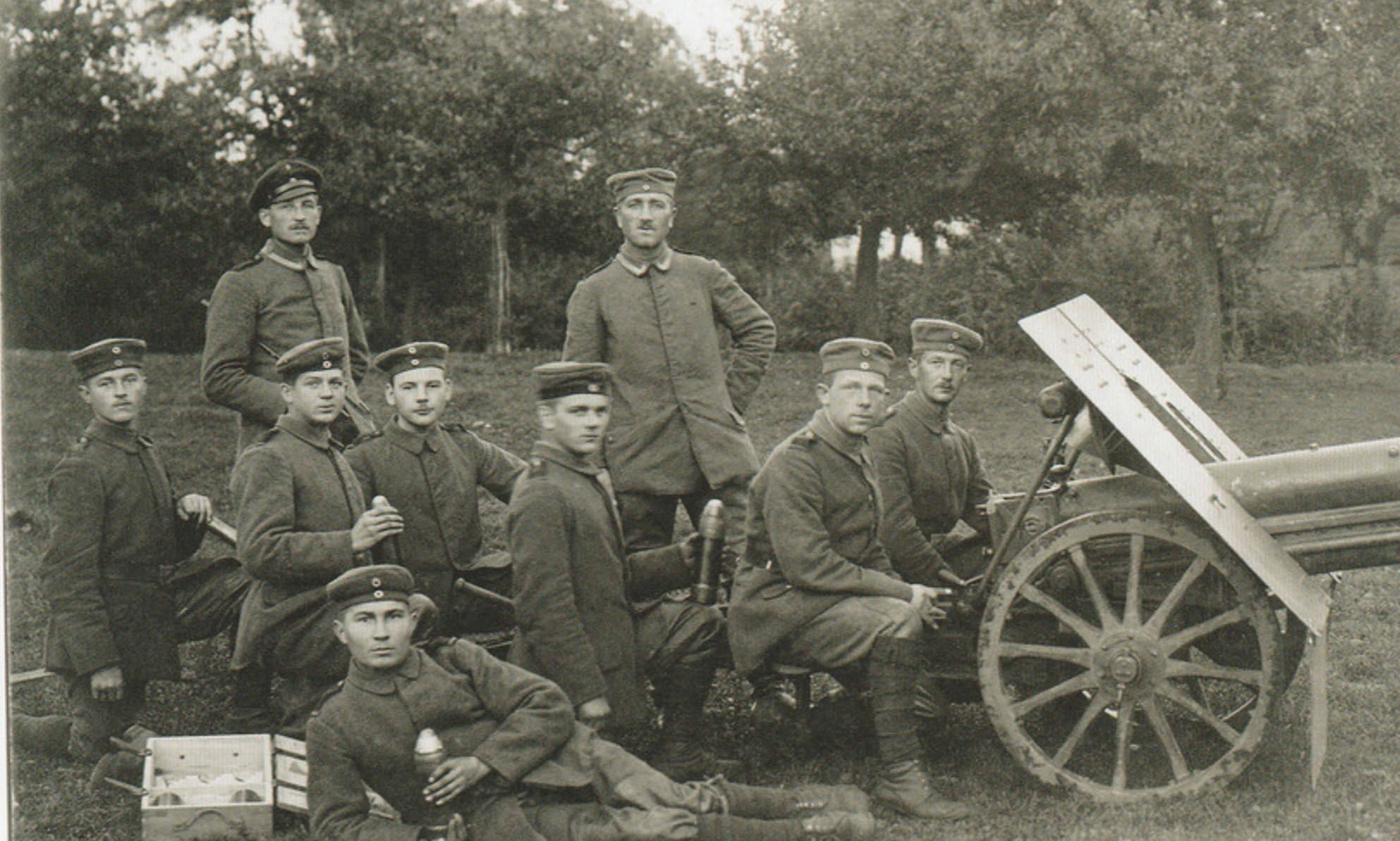
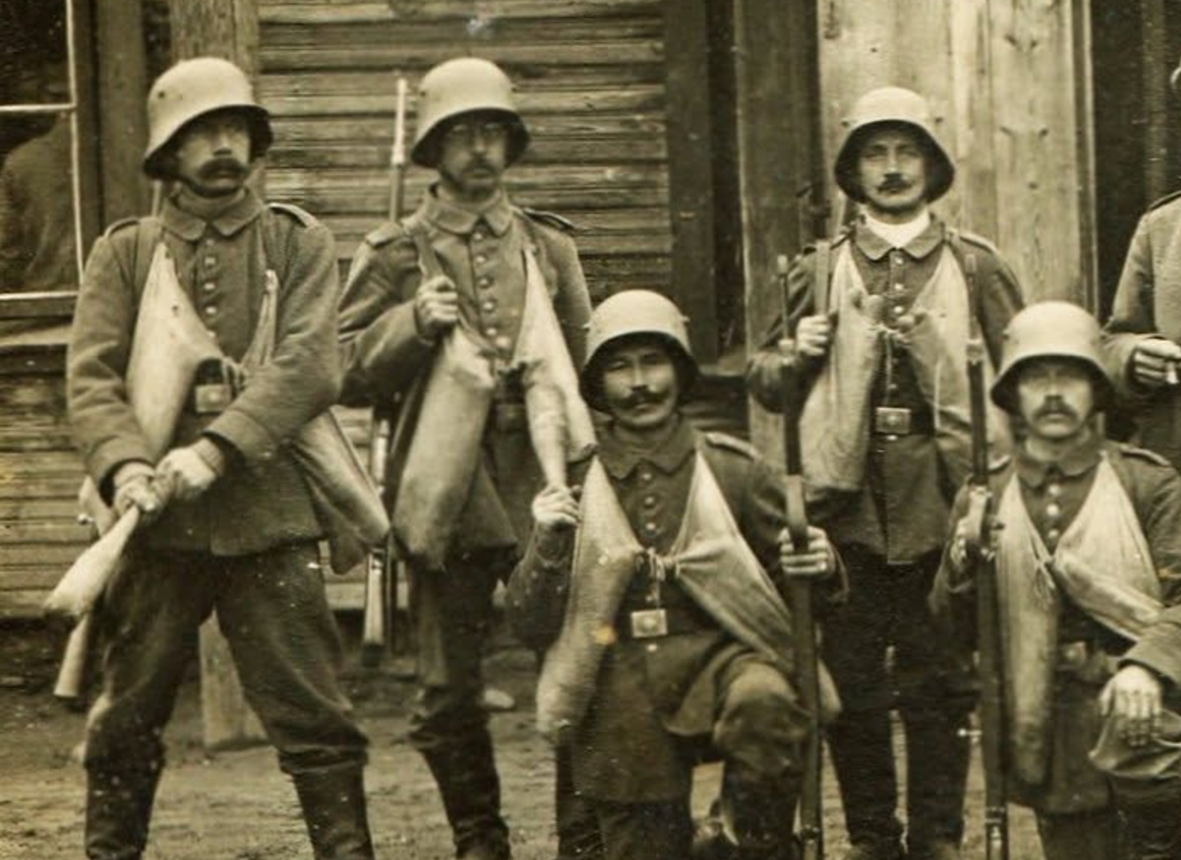
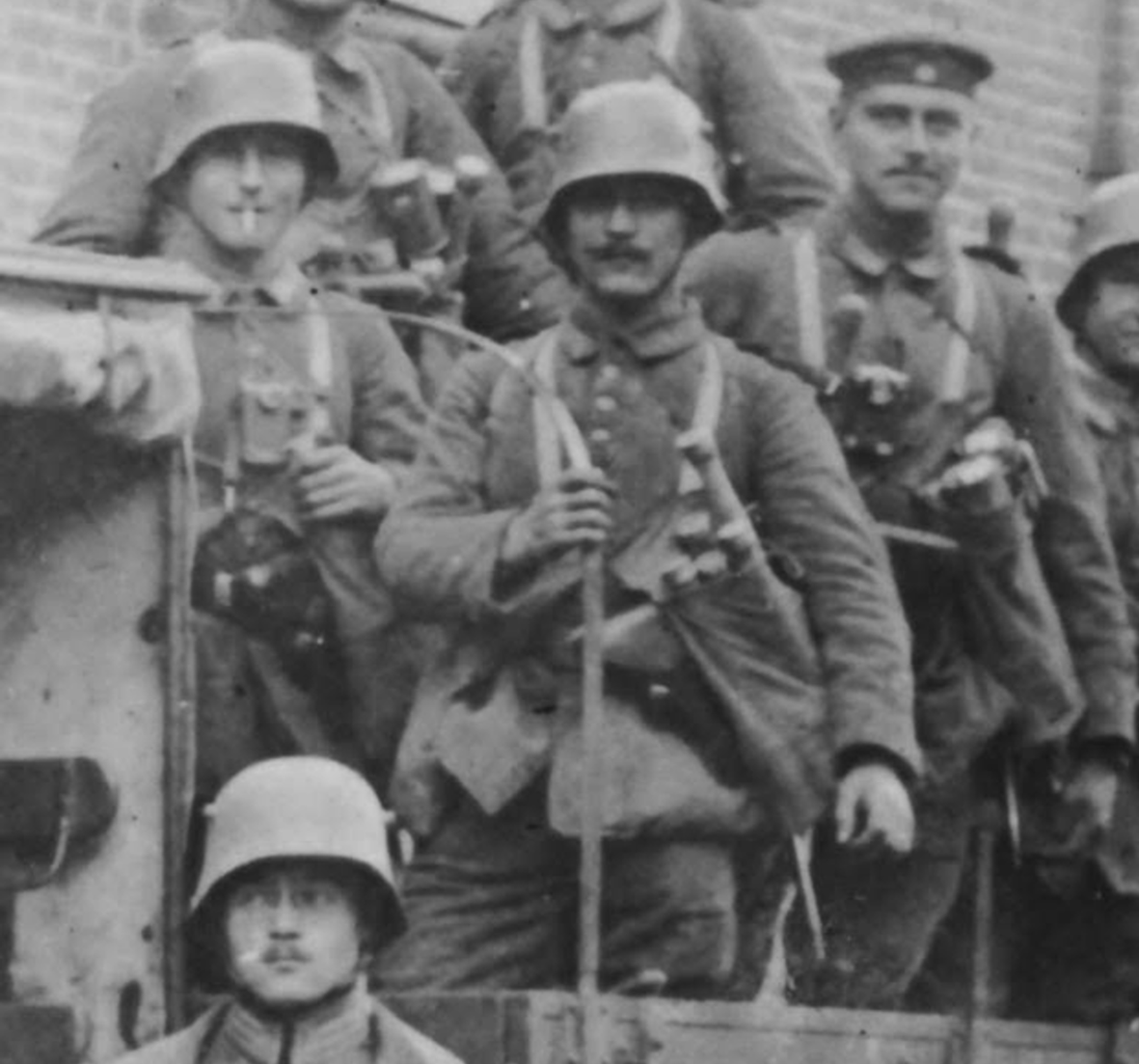
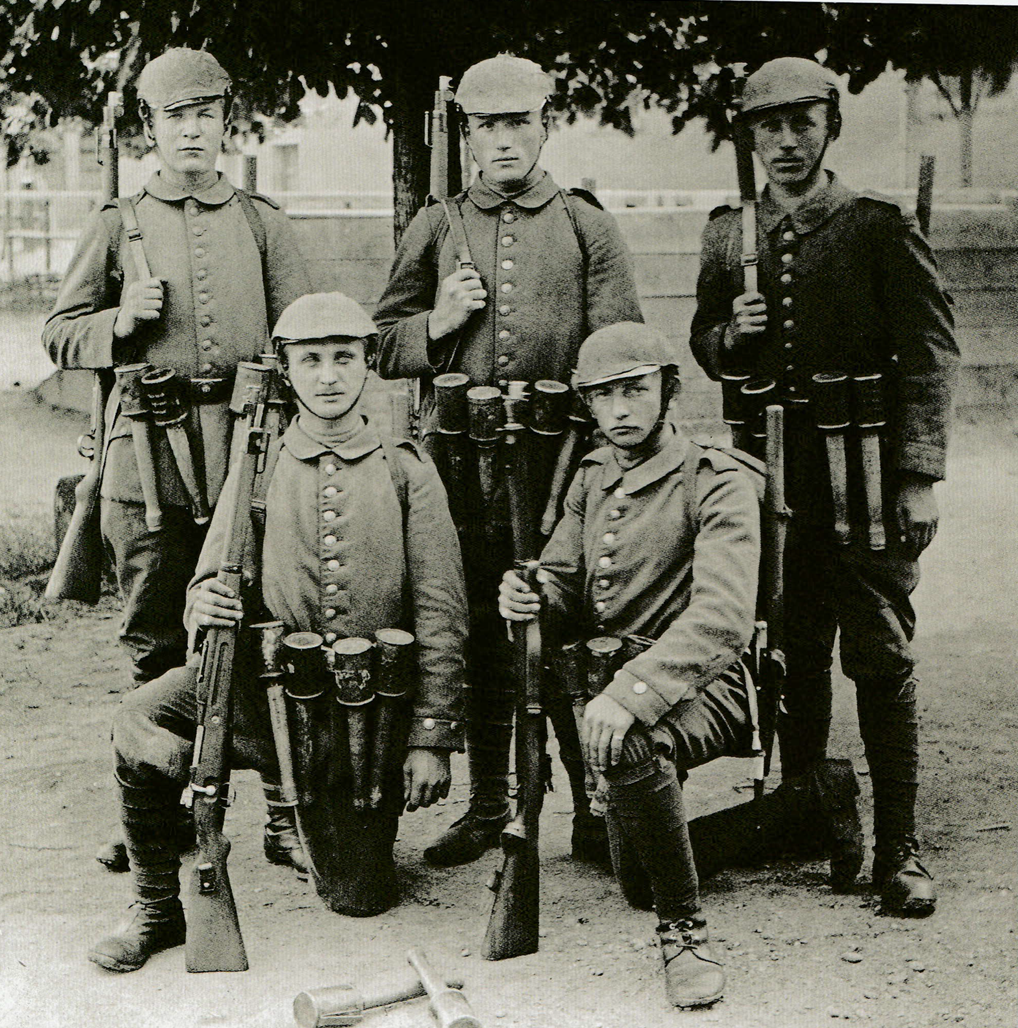
Stoßtrupp from unknown Saxon unit source: Sturmtruppen, R.R. Cardona, 2015, Heimdal
Stoßtrupp from R.I.R.50, near Riga source: Sturmtruppen, R.R. Cardona, 2015, Heimdal

4. Training and Organisation of the Stoßtruppen

The Principles of Assault Training

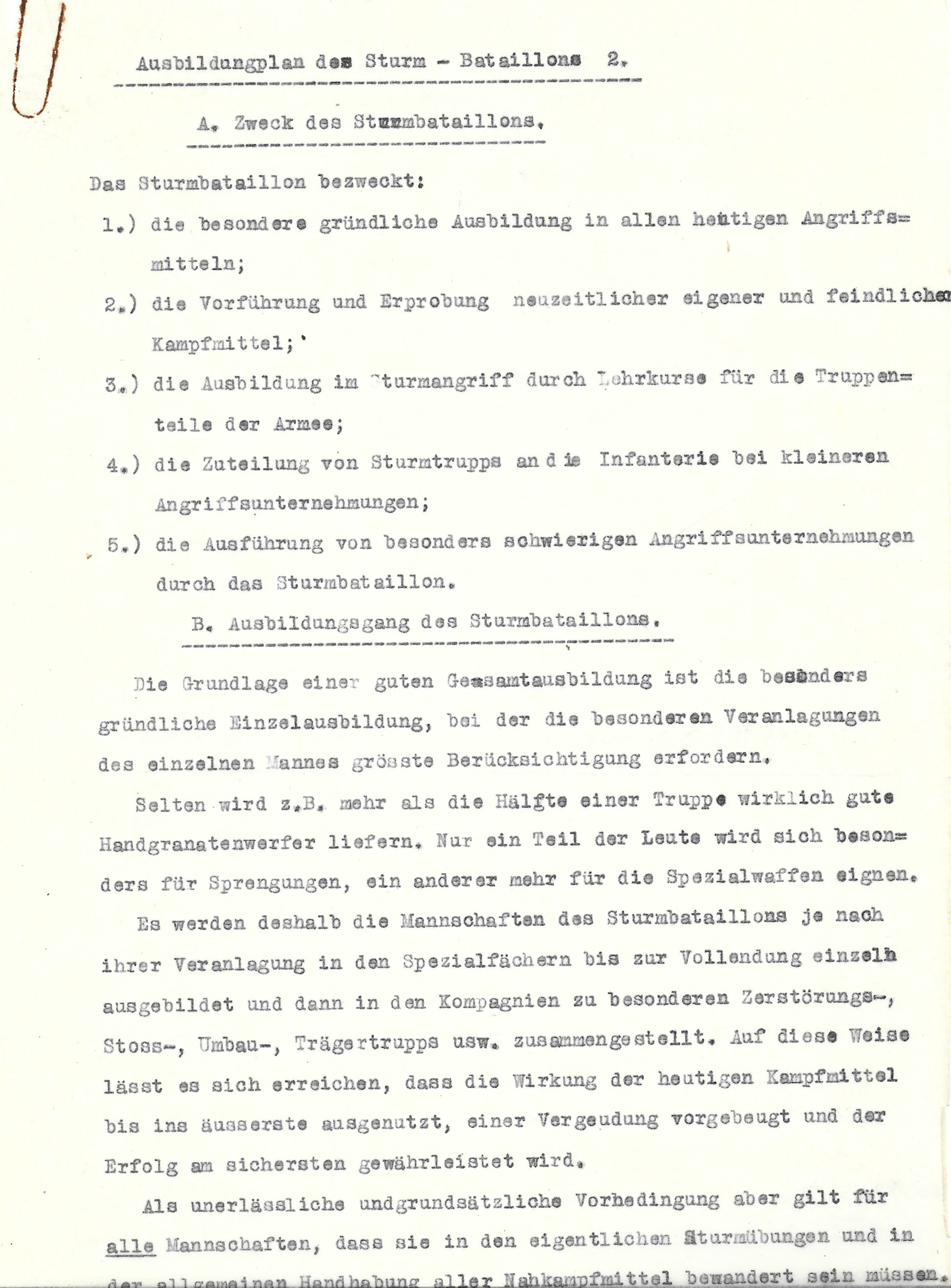
The effectiveness of the German Stoßtruppen depended not only on their weapons and equipment, but above all on specialised training. Unlike traditional infantry instruction, which placed considerable emphasis on larger formations and standardised drill, assault training concentrated on the skills required for small-unit combat, particularly within trench systems. An important contemporary source is the Ausbildungsplan des Sturm-Bataillons 2, which outlined the objectives and methods of training within a specialised assault battalion.

According to this document, the principal responsibilities of a Sturmbataillon included:
  • Thorough training in modern assault weapons and methods.
  • Testing and demonstrating new German and enemy weapons.
  • Training personnel from other formations in assault tactics.
  • Providing assault detachments to support infantry operations.
  • Conducting particularly difficult offensive missions.
The instruction also emphasised the importance of individual abilities. Not every soldier was equally suited to every task, and training was intended to identify and develop particular strengths. For example, while all soldiers received instruction in handling hand grenades, only the most capable were considered suitable for specialised grenade-throwing duties. Others could be trained in demolitions, engineering tasks, machine guns or other specialised weapons.

Specialised Assault Groups

The Ausbildungsplan des Sturm-Bataillons 2 specifically describes the individual training of soldiers according to their abilities, followed by their assignment to specialised groups within the companies.

The document explicitly identifies four types of detachments:
  • Stoßtrupps – assault groups tasked with attacking enemy positions.
  • Zerstörungstrupps – demolition groups trained to overcome and destroy enemy obstacles, particularly wire entanglements.
  • Umbautrupps – groups responsible for modifying captured enemy positions, including the construction of barricades and the preparation of trenches for their own use.
  • Trägertrupps – carrying detachments, listed among the specialised groups in the training programme.
The document also uses the expression usw. (und so weiter, meaning “and so on”), indicating that this list was not intended to be exhaustive. The training programme thus demonstrates that the Sturmbataillone relied on soldiers trained for distinct functions, brought together within the companies to perform specialised tasks.
Ausbildungsplan des Sturm-Bataillons 2

Training Programme and Practical Skills

Weapons and Close-Combat Training

  • Rifles, carbines, pistols, hand grenades and machine guns, including captured weapons.
  • Close-quarters combat: rifles, knives, boxing and grenades.
  • Grenade throwing: accuracy, timing, use of cover and specialist training for the best throwers.

Engineering and Obstacles

  • Overcoming and destroying obstacles, particularly barbed wire.
  • Modifying captured trenches and constructing barricades.
  • Preparing captured positions against counterattacks.

Supporting Weapons and Communications

  • Cooperation with machine guns, trench mortars, grenade launchers and flamethrowers.
  • Machine-gun operation, maintenance and captured weapons.
  • Signalling and battlefield communications.

Physical Training and Discipline

  • Gymnastics, games and singing.
  • Military discipline, order and cleanliness.

5. Stoßtrupptaktik - Assault Tactics

German assault tactics focused on speed, surprise and cooperation between small infantry groups and supporting weapons. The aim was to penetrate enemy defences, capture key positions and secure them for the following infantry.

St.B 14, 20/04/1918, Seicheprey
St.B 14, 20/04/1918, Seicheprey source: fb.com/stosstruppen1918

Key Principles

  • Reconnaissance (Aufklärung) – careful planning and identification of enemy weaknesses.
  • Mission-type tactics (Auftragstaktik) – greater independence and initiative for junior leaders (Gefreite and Unteroffiziere).
  • Surprise (Überraschung) – infiltration, light equipment and attacks against vulnerable flanks.
  • Combined arms (Zusammenwirken der Waffen) – close cooperation between infantry, artillery and supporting weapons.

Fire and Movement (Feuer und Bewegung)

Assault infantry advanced under covering fire, often behind a rolling artillery barrage (Feuerwalze), while trench mortars (Minenwerfer) and infantry guns (Infanteriegeschütze) provided close support.

Machine guns, flamethrowers and other supporting weapons helped overcome enemy resistance. Captured trenches were secured against counterattacks, allowing the following infantry to advance.

6. Weapons, Uniforms and Equipment

German Stoßtruppen did not have a single, standardised set of equipment. Weapons and personal gear varied depending on the unit, mission and period of the war.

Uniforms and Personal Equipment

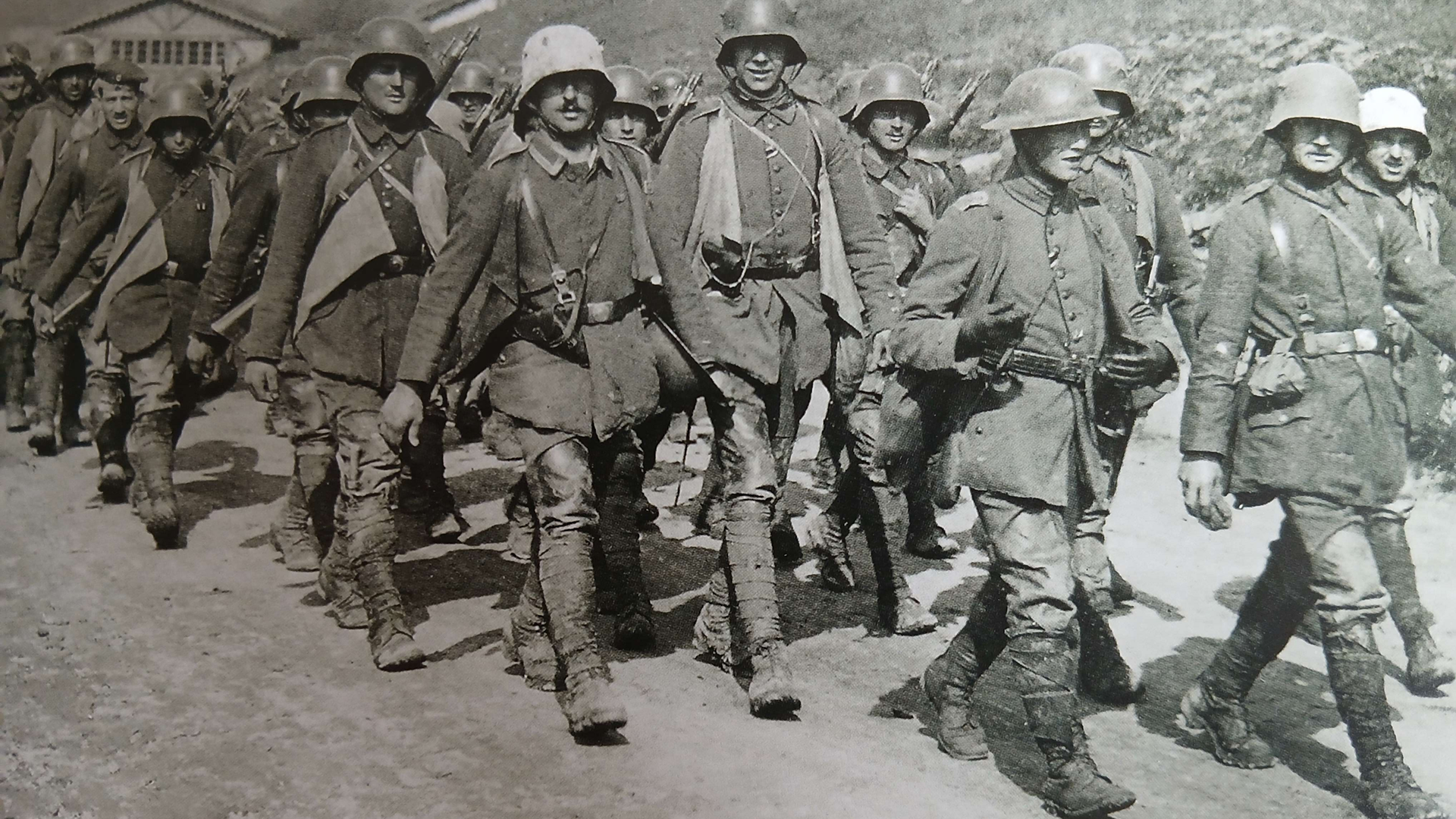
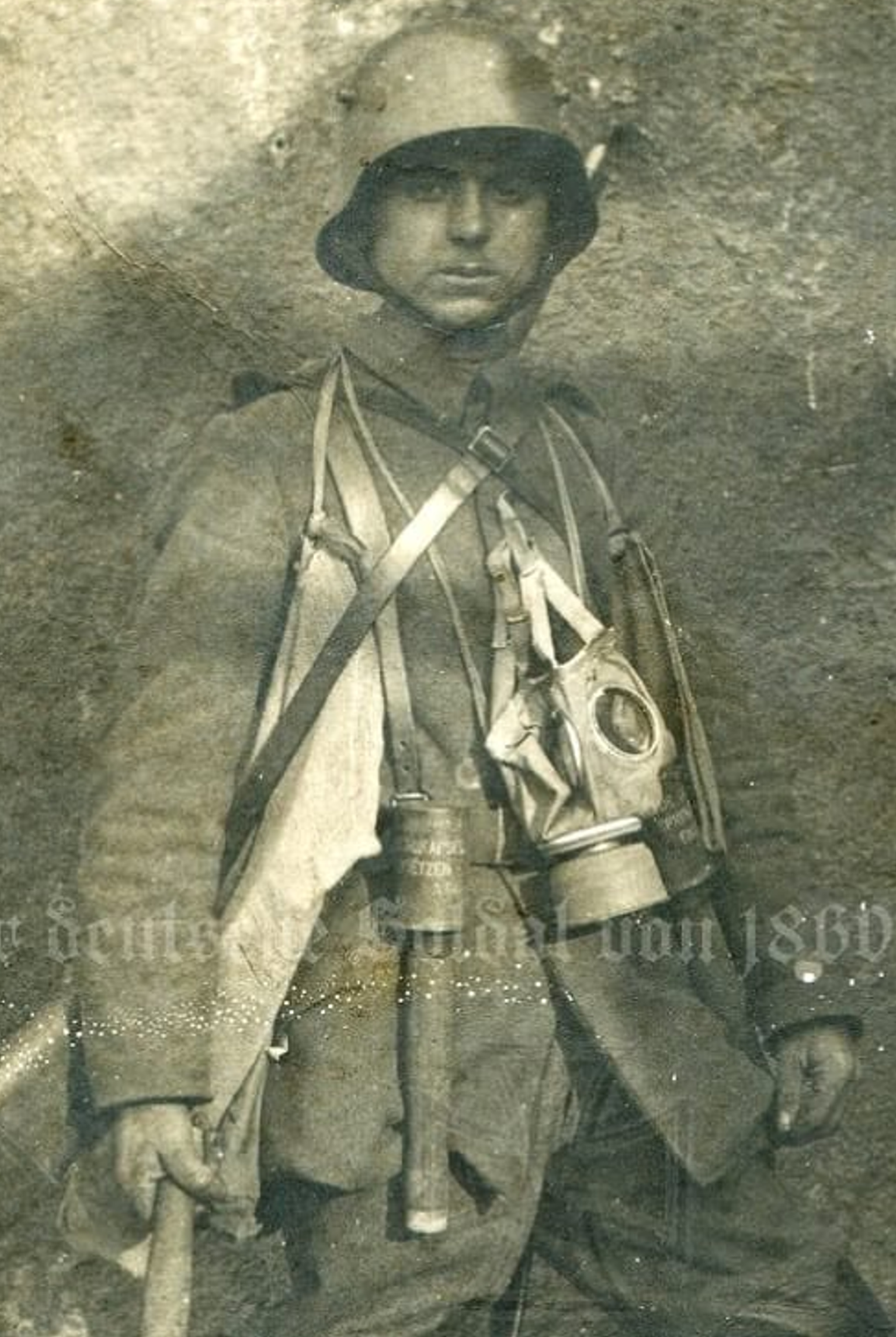
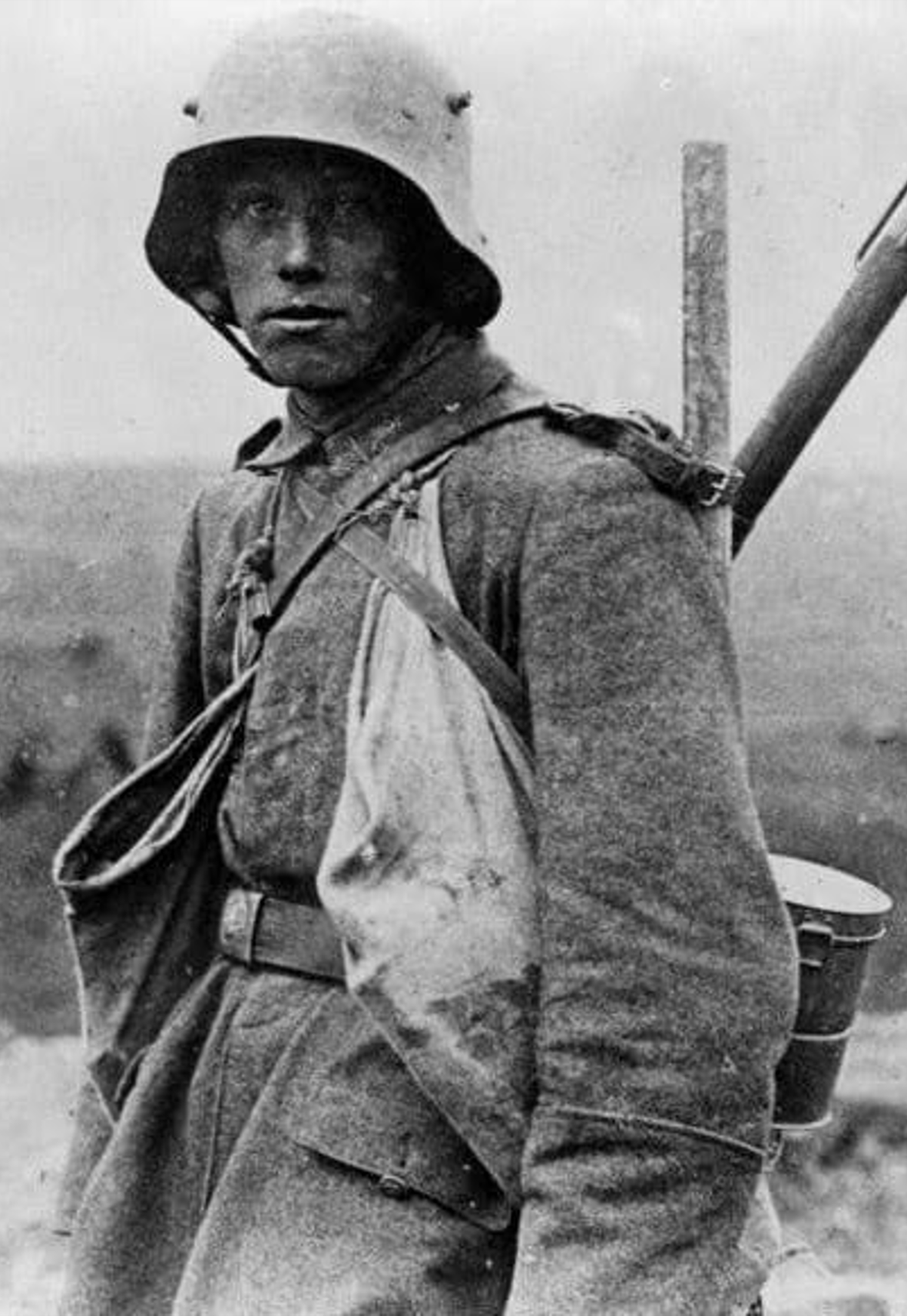
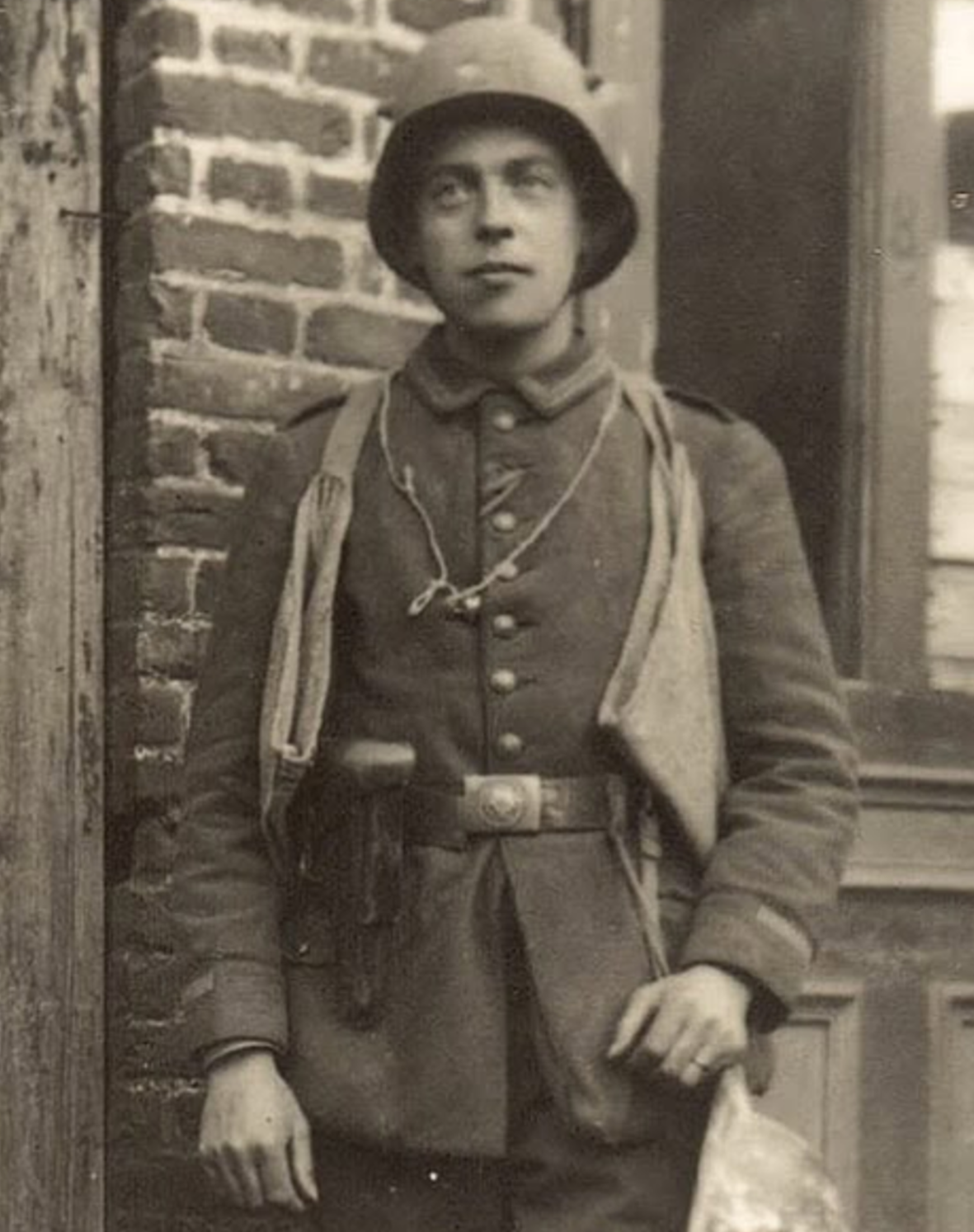
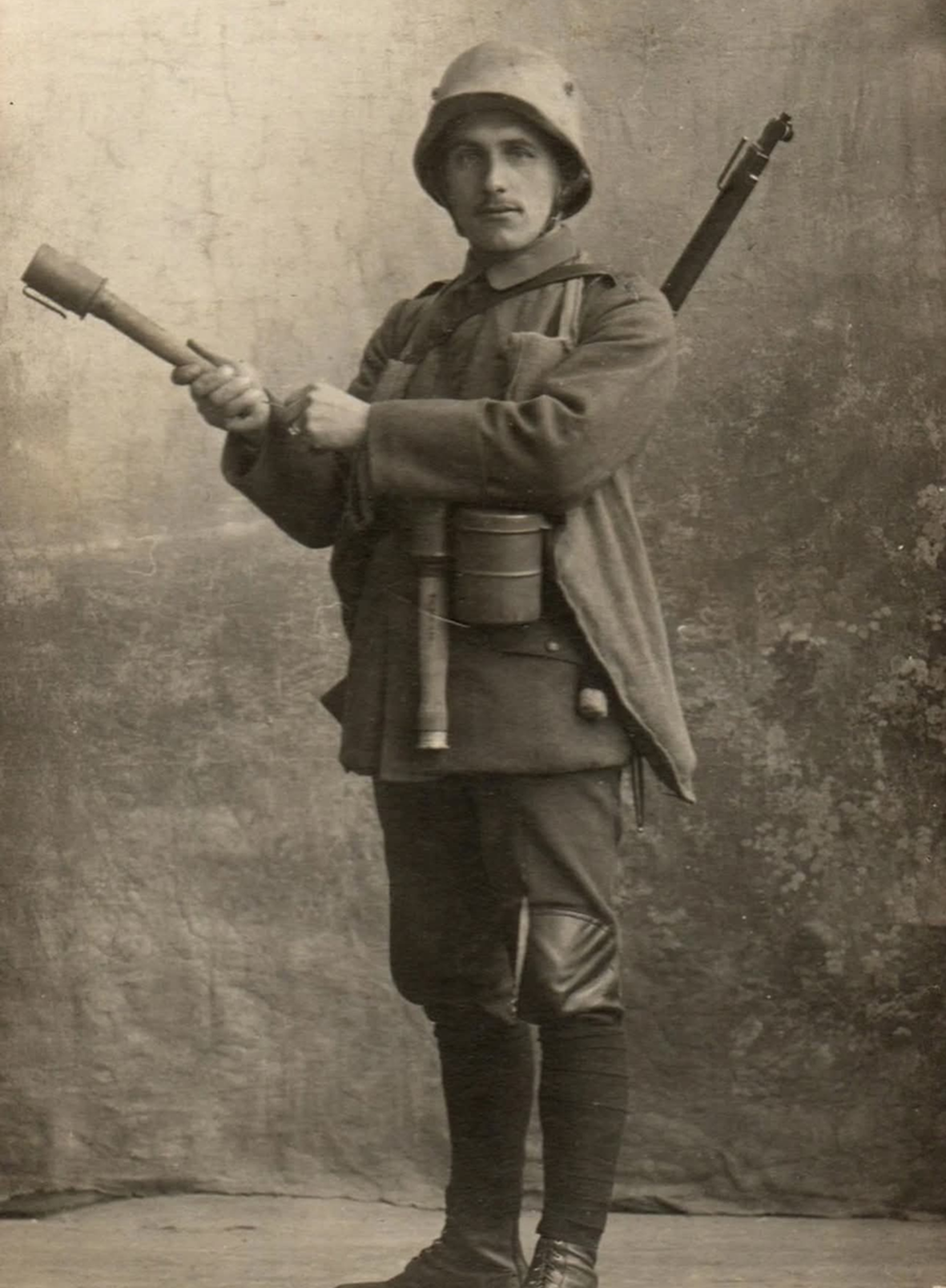
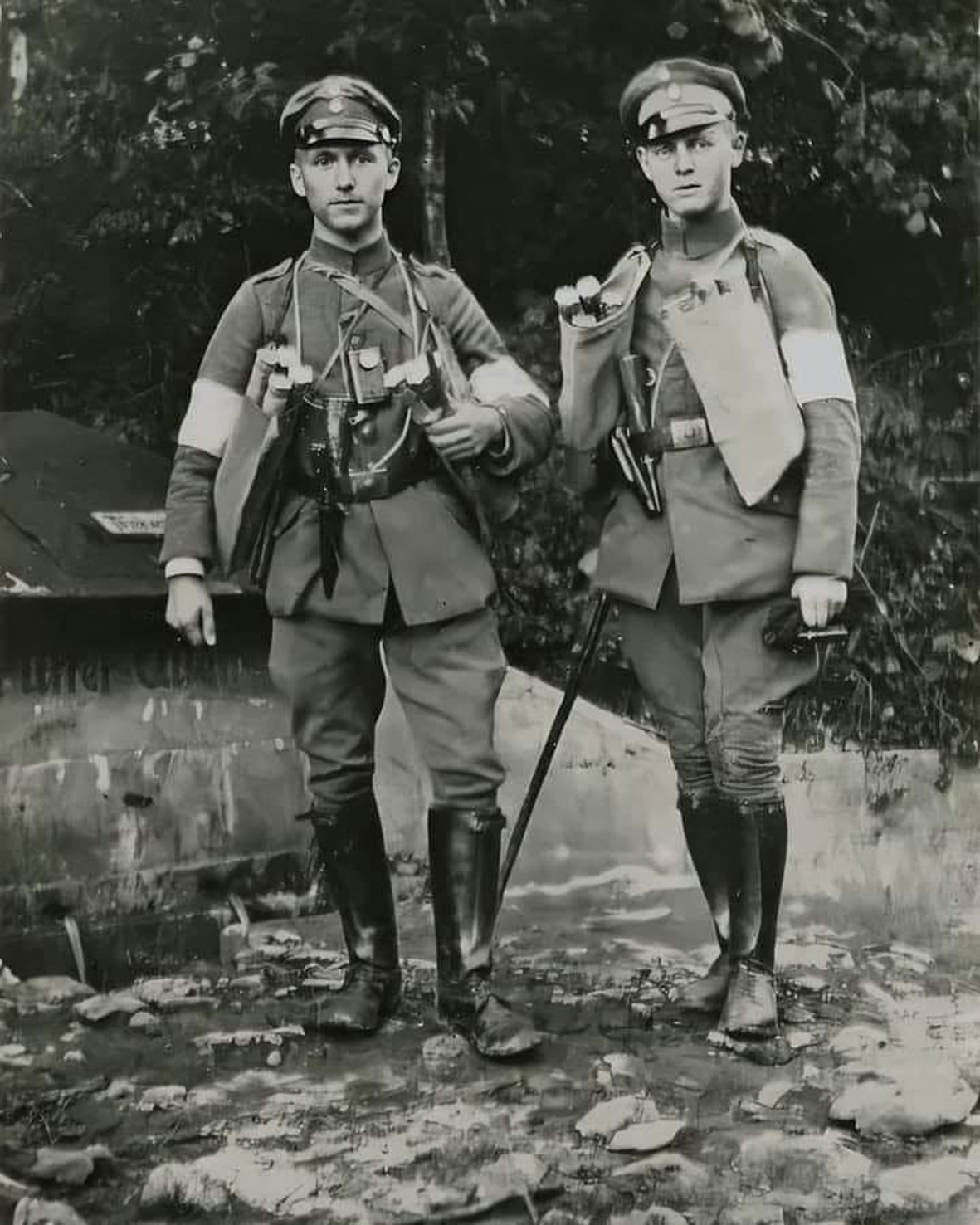
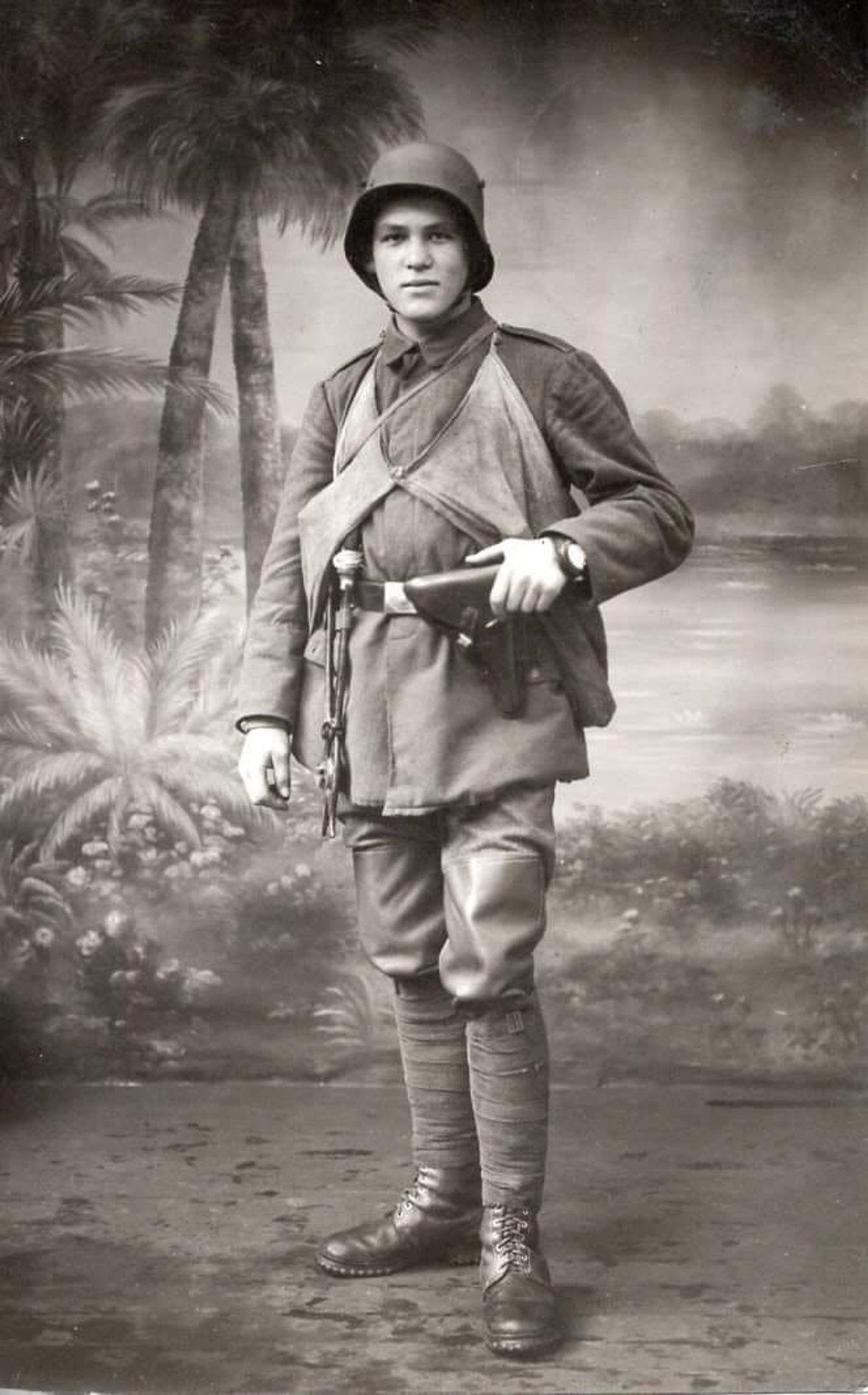
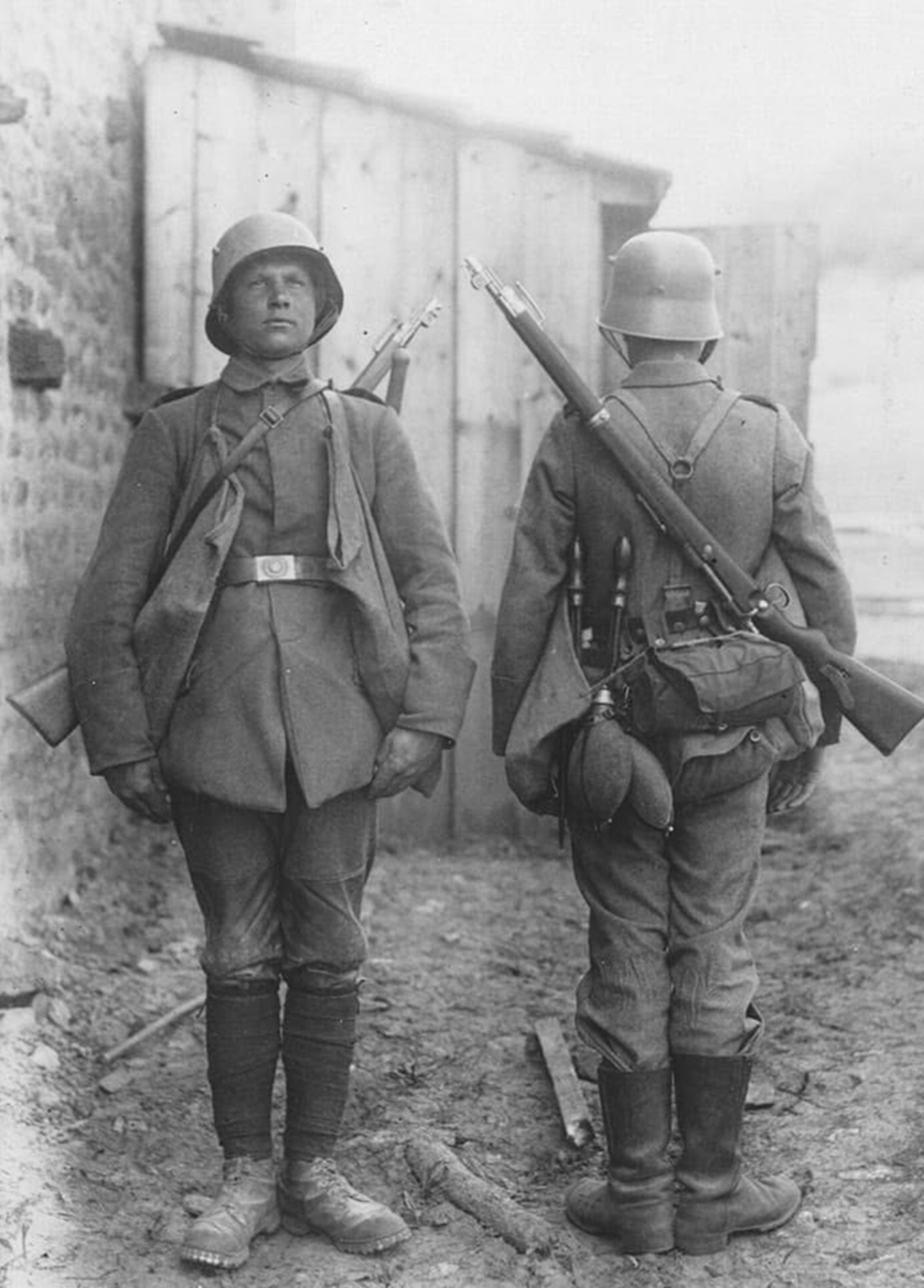
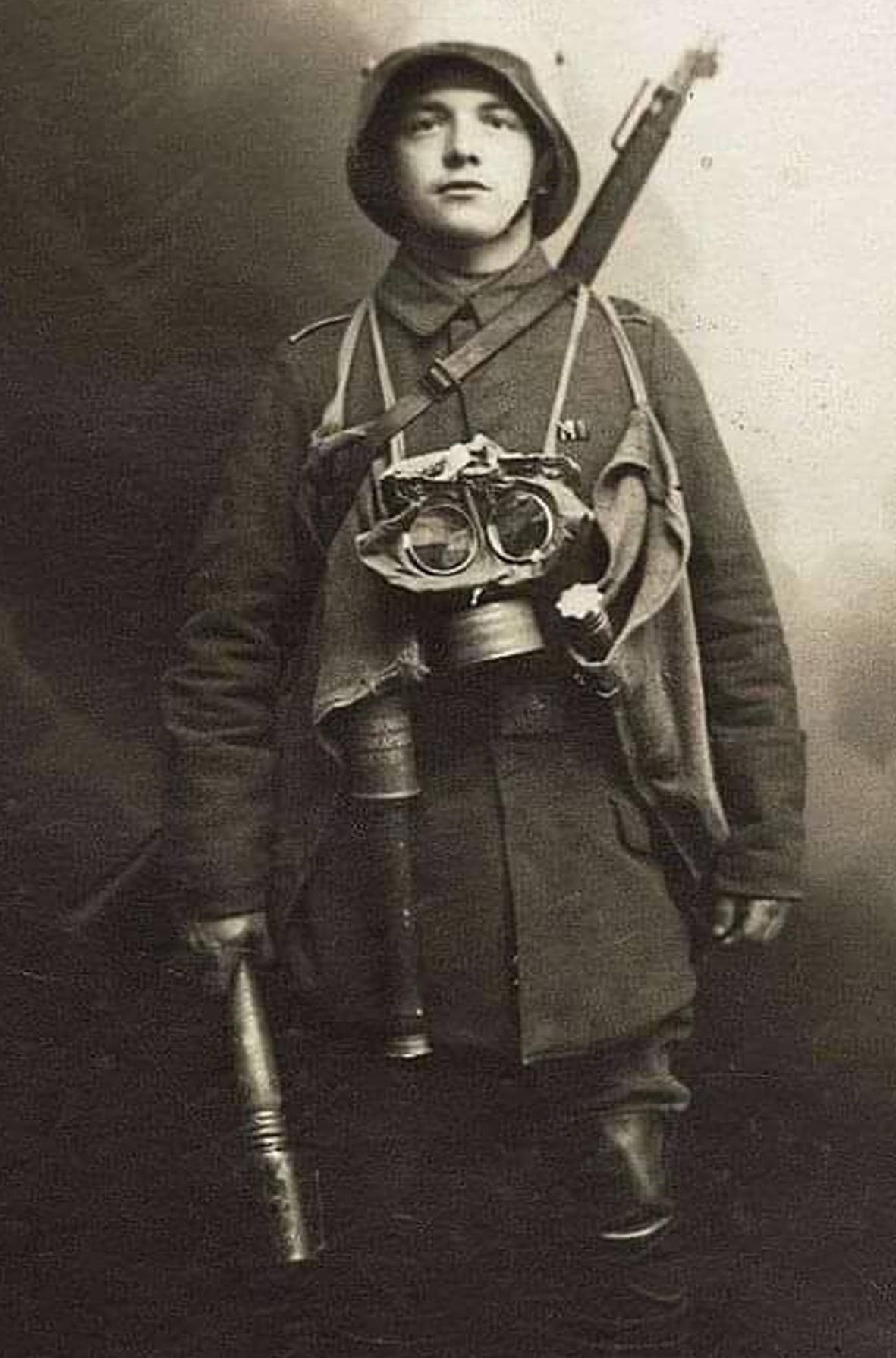
Assault troops generally wore standard German field-grey uniforms, adapting their equipment to the demands of trench warfare.

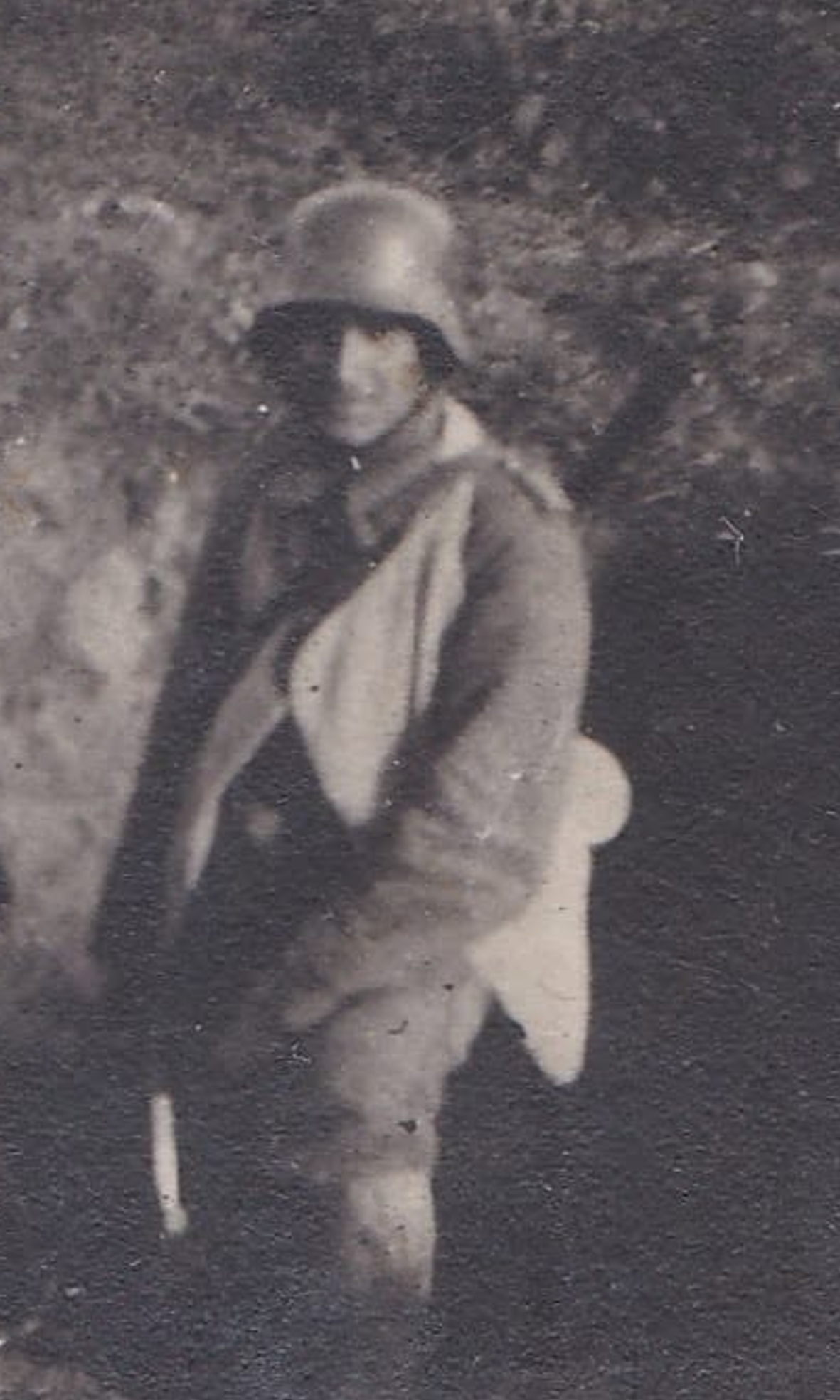
  • Headgear: Stahlhelm M16
  • Clothing: Feldrock or Feldbluse, field trousers with leather reinforcements and boots (preferably ankle boots with Gamaschen).
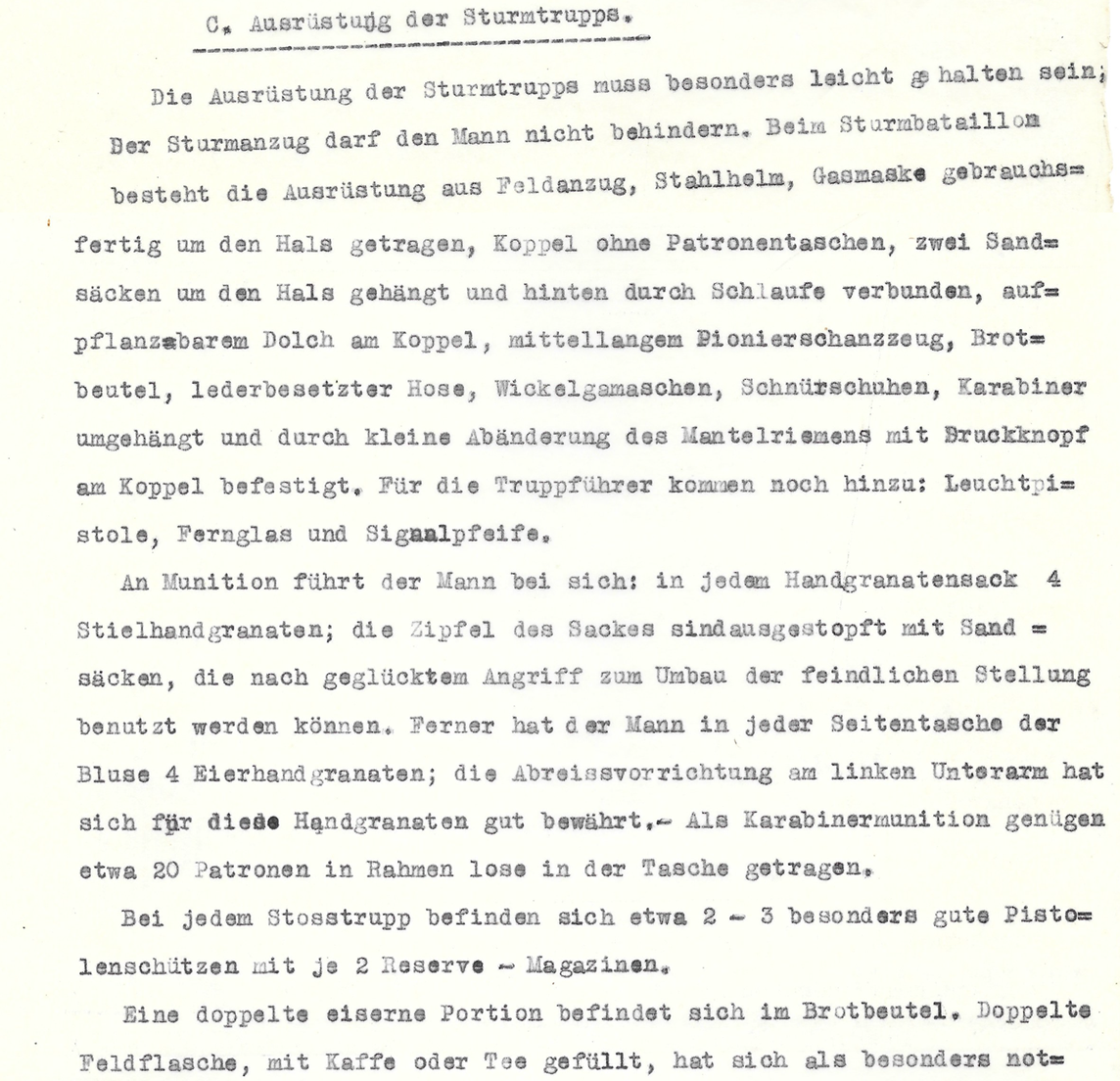
  • Equipment: grenade bags, no ammunition pouches (~20 rounds in the pockets), breadbag with double Eiserne Portion (iron rations), two canteens, medium-length pioneer spade

Individual Weapons

  • Firearms: Gewehr 98, Karabiner 98 AZ (preferably) and pistols.
  • Close-combat weapons: trench knives and other improvised weapons
  • Grenades

Assault group leader (Truppführer):

flare pistol (Leuchtpistole) and signal whistle (Signalpfeife)

Ausbildungsplan des Sturm-Bataillons 2

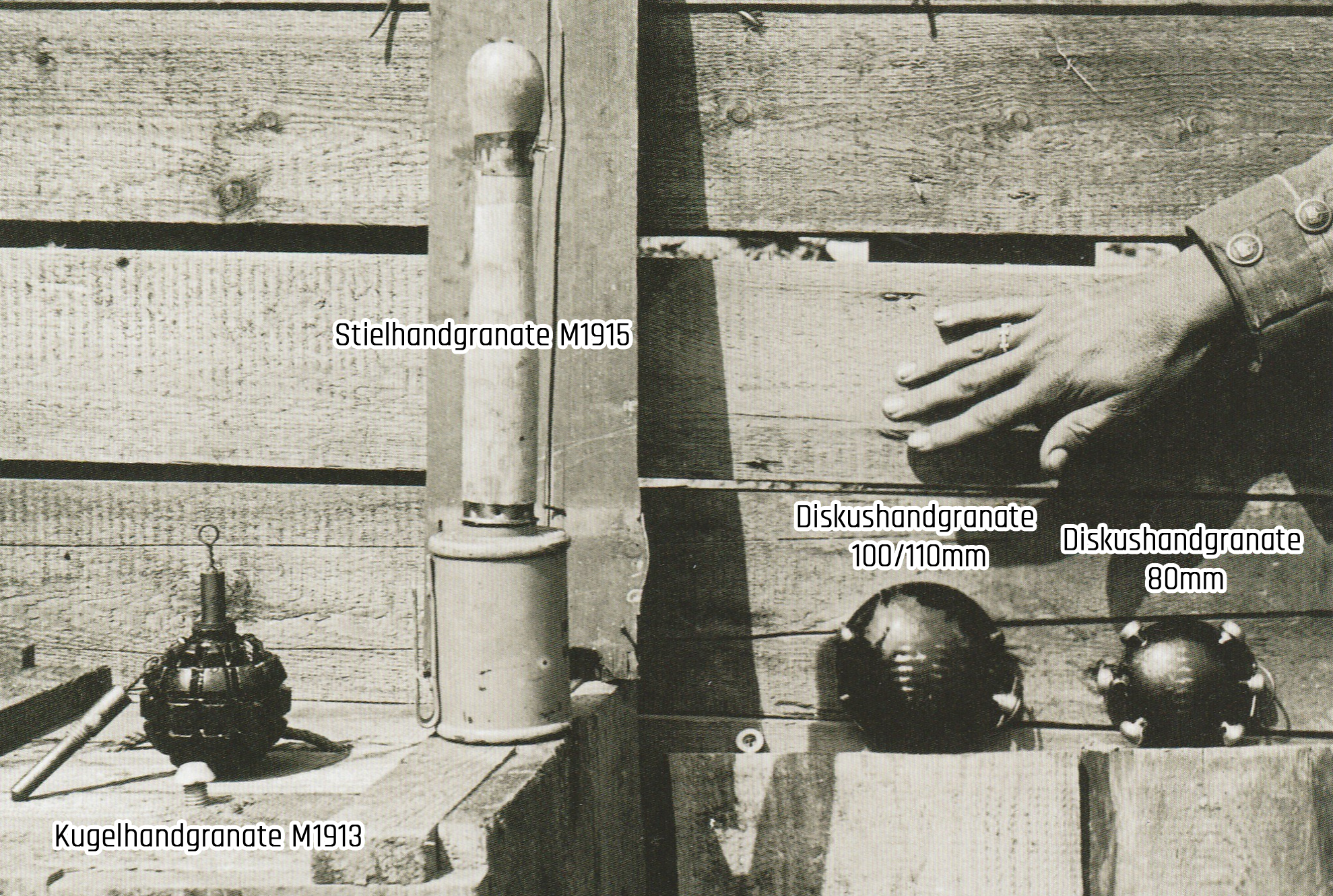
Hand Grenades (Handgranaten)

  • Stielhandgranate: M15, M16 and M17
  • Kugelhandgranate: M1913 and M1913 neuer Art
  • Diskushandgranate: 80 mm and 100/110 mm
  • Eierhandgranate (introduced in 1917)
Types of German hand grenades
Types of German hand grenades source: Sturmtruppen, R.R. Cardona, 2015, Heimdal

Supporting Weapons

Imperial Stormtroopers

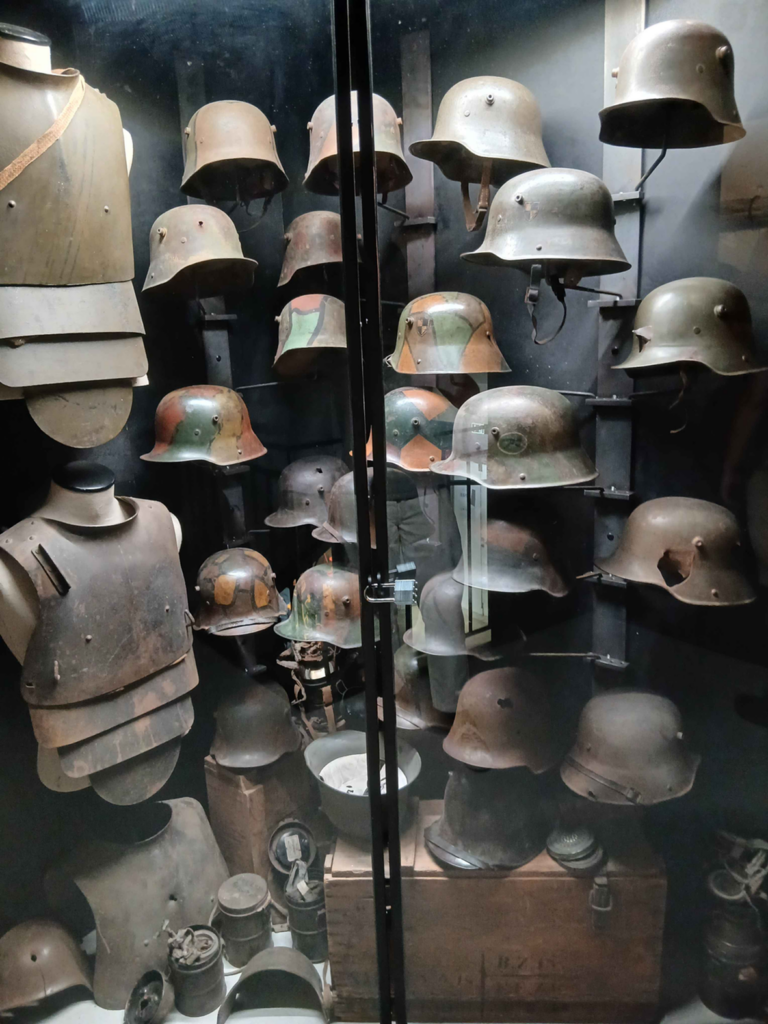
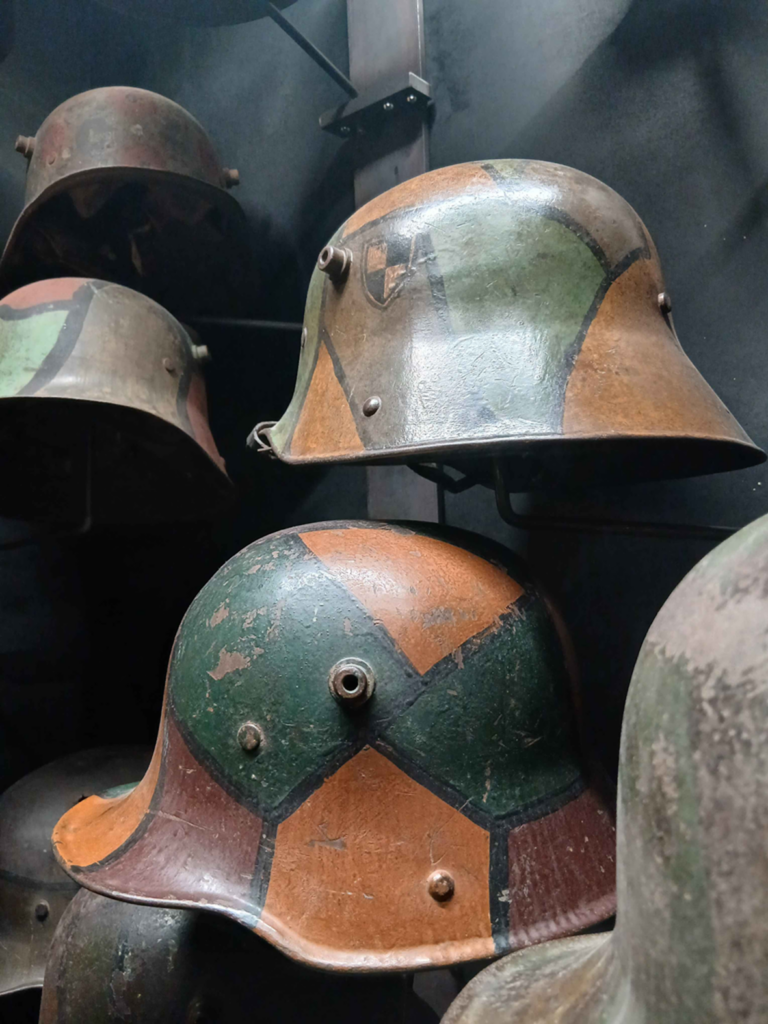
Helmet Camouflage (Mimikri)

On 7 July 1918, helmet camouflage was officially introduced by Army Order II, No. 91 366, signed by General Erich Ludendorff.

The Buntfarbenanstrich scheme used geometric fields of green, brown and ochre, separated by finger-wide black lines. No fixed pattern was prescribed.

7. Sources and further reading

  • Ausbildung im Nahkampf, 2.Stellv 83. Inf.-Brig. T.B.Nr/1127, 5/3/1916.
  • Ausbildungsplan des Sturm-Bataillons 2.
  • Entwicklung der Taktik im Weltkriege,W. Balck, 1922 , Verlag von R. Eisenschmidt Berlin.
  • Der Infanterie-Nahkampf, 1917.
  • Sturmtruppen, R.R. Cardona, 2015, Heimdal.

8. Links and others

Leave a Reply

Your email address will not be published. Required fields are marked *